What to Document on Every Roof Inspection So Insurance Claims Don’t Get Denied
The storm was real. The damage was real. The claim still came back denied or underpaid, because the documentation could not hold up.
It happens all the time on the Eastern Shore. A homeowner files a wind or hail claim weeks after the storm. The adjuster arrives and finds nothing solid to work with: no dated inspection report, no clear photos of the damage, no documented scope. When that happens, everyone spends the next few weeks trying to rebuild a file that should have existed from day one.
G and Bros is a family-owned roofing company in Salisbury, in business since 2012. Our founder, Guillermo Molina Reyes, brings 25+ years of Maryland roofing experience, and one lesson from all that time on roofs is simple: the inspection is only as good as the record you leave behind. This is the documentation sequence we use and recommend to other contractors.
Why a Consistent Sequence Matters
There is no magic form. What holds up is doing the same steps, in the same order, on every inspection, no matter how clean the roof looks going in. Adjusters notice when documentation changes from job to job. Consistency reads as professional and prepared.
The Inspection Sequence That Holds Up
Every inspection, in this order
Before you go up. Photograph the whole property from the street and from all four corners. Capture ground-level evidence first: gutter dents, siding marks, granules at the downspouts. Note the date, time and weather.
Pull the weather data. Get the hail size and wind data for the date of loss from a source like NOAA and attach it to the job file the same day.
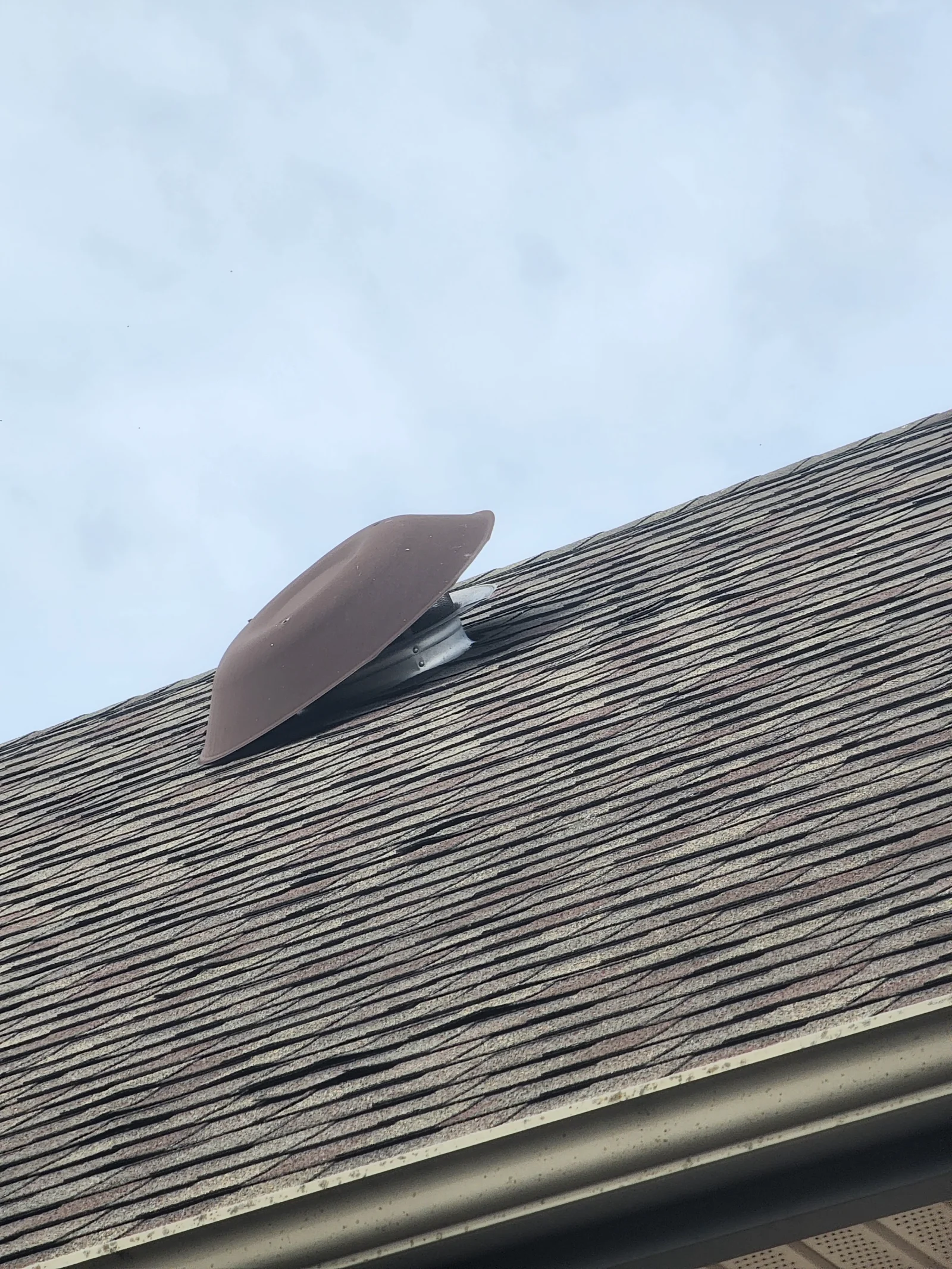
On the roof, work a grid. Start at one corner and move systematically. On hail jobs, check soft metals first (ridge caps, pipe boots, vents and flashing), because they show impacts clearly.
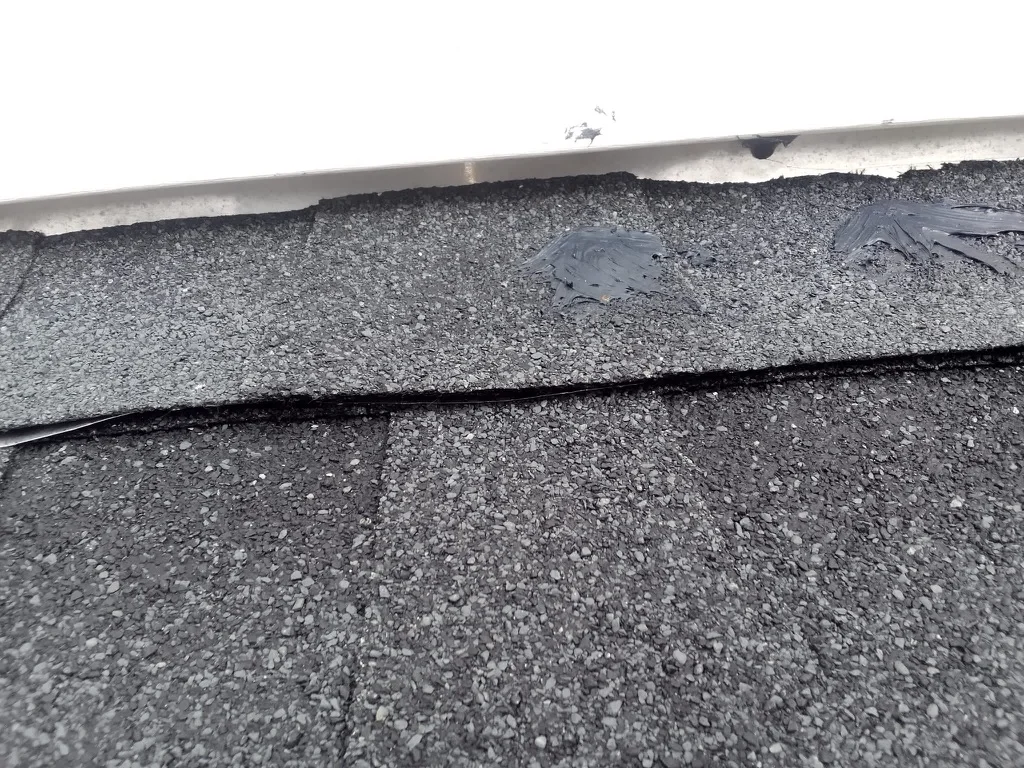
Shoot close, then pull back. Every close-up needs a wider shot that shows where it is on the roof. Write counts and locations in your notes right away.
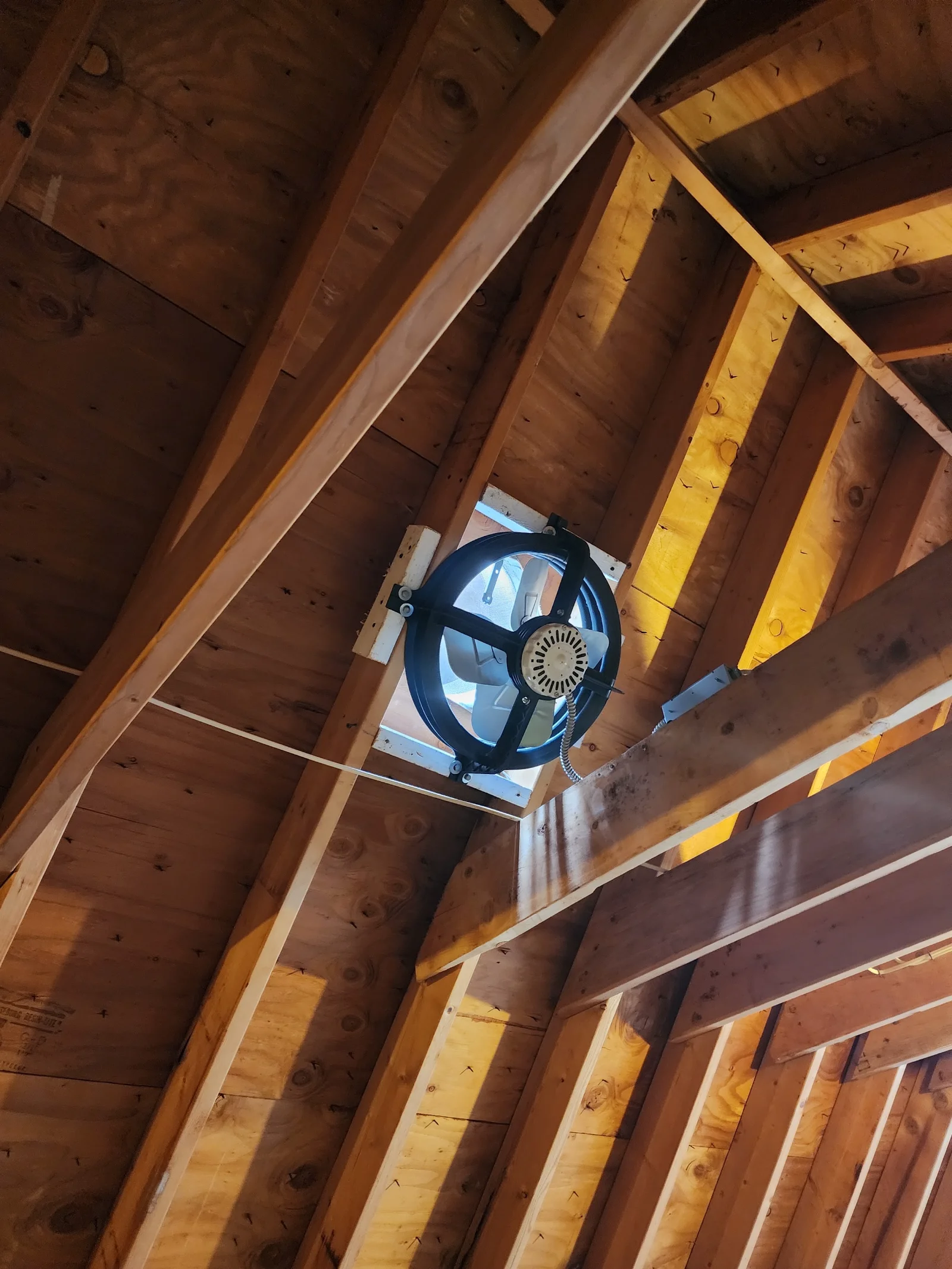
Go into the attic. Document ventilation, moisture staining and decking condition yourself, before anyone else uses them to argue the damage was already there.
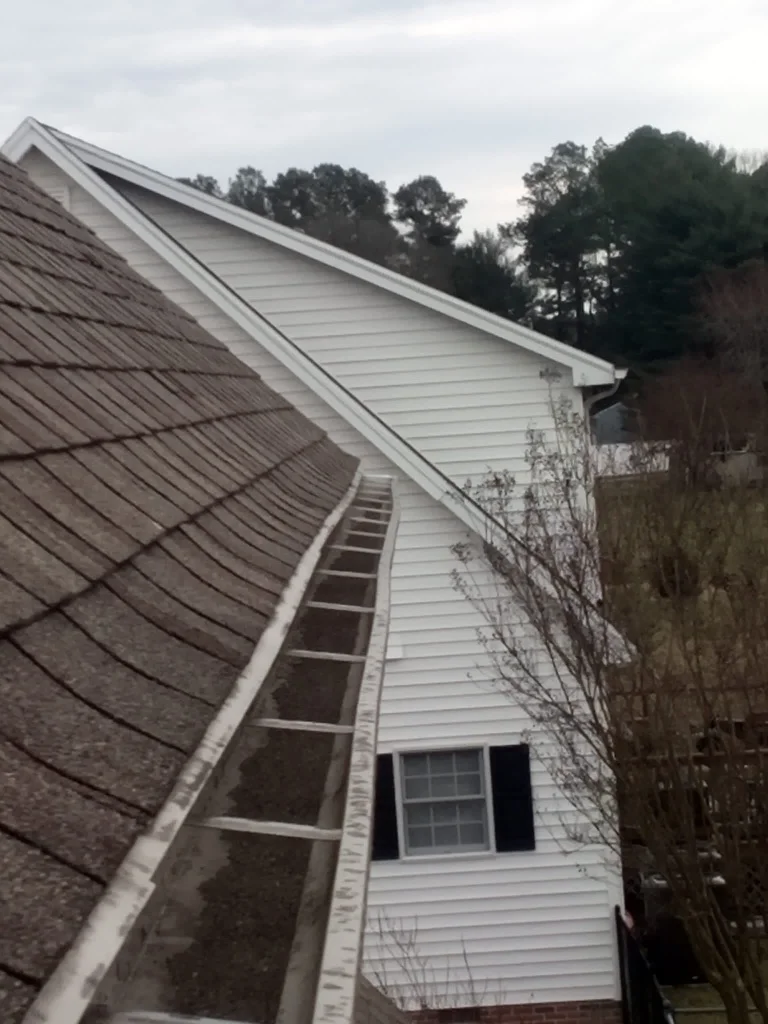
Finish at the gutters and perimeter. Dents on the inside of a gutter, downspout elbows and A/C fins are strong hail evidence. Photograph them before any cleanup.
What to Capture on the Roof
- Ridge, hips and rakes: photograph the full run, not just one section
- Flashing at every penetration: close-up first, then a wider shot for context
- Pipe boots and vents: top-down and from the side
- Skylights and chimneys: any cracking, separation or impact
- Eaves: note whether ice and water protection is there and how far up it runs
Specific notes beat general ones. “Lots of hits” will not hold up. A note like “hail impacts confirmed on the southwest slope, see photos 12 to 18” will.
In the Attic
Many contractors skip the attic on a hail or wind claim. That is a mistake. Ventilation problems, moisture staining and existing decking damage are exactly what a carrier will point to as a pre-existing condition. Document them first and say so in your report, for example: “Pre-existing moisture staining on the south slope, unrelated to impact damage.” That sentence protects the homeowner and your scope.
Note the decking type and condition while you are up there, too. On older homes you may find layered or board sheathing, and that belongs in the estimate before tear-off, not as a surprise mid-job.
Organize It So You Can Find It Months Later
Good documentation only helps if you can pull it up when you need it. Photos spread across three phones, an email thread and a desktop folder are not a job file.
Having a CRM or another system that keeps every photo and document organized by job helps with the whole process, not just finding things later. Everyone on the team sees the same file, nothing gets lost between the inspection and the estimate, and the record is ready the moment an adjuster asks for it.
We run all of our job documentation through JobNimbus: photos, notes, weather data, scope documents and adjuster correspondence all live in one place, tied to the job. When a question comes back months after the install, pulling the full documentation trail takes about 90 seconds instead of a long hunt through emails and phones.
A photo tied to an inspection date inside a logged job record is also harder to dispute than the same photo pulled off a phone with missing or inconsistent dates.
Disclosure: G and Bros uses JobNimbus for our own project management. The JobNimbus link above is a referral link, and G and Bros may receive a credit if you sign up through it. We recommend it because we use it every day.
Five Documentation Failures That Sink Claims
The common thread: every one of these is a gap in the record, not a gap in the damage. Fix the process and most of them go away.
- No baseline. Without a record of the roof’s condition, the carrier can argue the damage was already there.
- Photos without context. A close-up of a dented vent means little without a wider shot showing where it is.
- Undocumented decking. “It was bad when we tore it off” will not support added decking. You need a record before and during tear-off.
- No weather data on file. If you cannot show the storm event, a sharp adjuster has room to push back.
- A scattered file. When the question comes, you need everything for that job in one place.
Frequently Asked Questions
How many photos should a storm damage inspection produce?
Enough that an adjuster who was not there could rebuild the whole damage picture from your photos alone. That usually means every slope, every penetration, the gutters all around and wide context shots, not a fixed number.
Do insurance carriers require a specific inspection format?
There is no single required format. What matters more is consistency. A contractor who documents the same way on every file is easier for adjusters to work with.
What is the best way to document decking before tear-off?
If you have attic access, photograph the decking from below first. If not, photograph the first sections as you open them at the edges and ridge. Train crew leads to stop and photograph at the first sign of soft or rotted decking.
Should I document non-insurance jobs too?
Yes. A complete photo record of the deck, the flashing details and the finished install protects you if a homeowner later says a leak started before your work.
How long should inspection documentation be kept?
At a minimum, for as long as your workmanship warranty runs, and longer if your insurance, legal or manufacturer requirements call for it. A CRM makes that easy because the record stays tied to the job.
Need a roof inspection on the Eastern Shore?
G and Bros is GAF Certified Plus, family-owned since 2012, with 25+ years of Maryland roofing experience from our founder. If you found this as a homeowner, we are a roofing company too. We do roof inspections across Wicomico, Worcester and Sussex counties.
Get a Roof Quoteor call 410-677-4975

Recent Blog Posts