What Is Roof Decking and Why Does It Matter? A Guide for Cambridge, MD Homeowners
When most homeowners think about their roof, they picture shingles. But shingles are only the outer layer. Under them is a layer of structural boards called roof decking (also called sheathing), and everything else depends on it. If the decking is soft or rotted, new shingles will not fix the problem.
We work with homeowners throughout Cambridge, MD and Dorchester County, and decking problems often go unnoticed until the old roof comes off. This guide covers what decking is, why it fails and what to know before your next roofing project.
Where Decking Sits in Your Roof
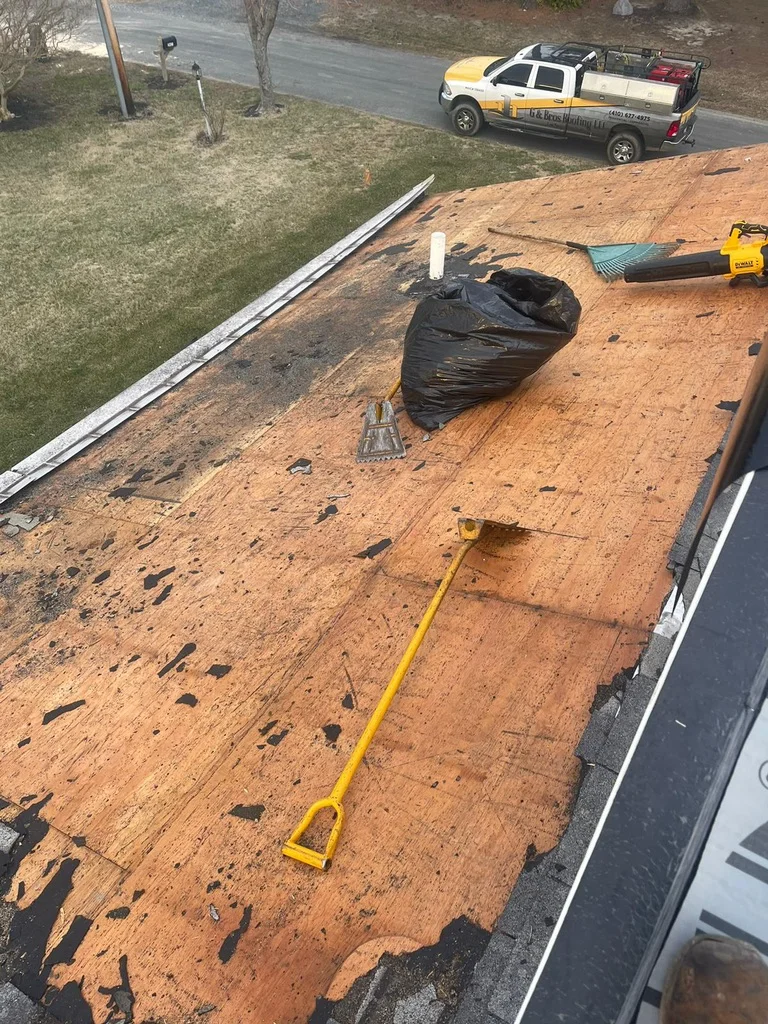
Your roof is a system of layers. The decking is the solid base that the underlayment and shingles are nailed to, and it rests on the rafters.
The layers of a shingle roof
Illustration. The decking is the layer homeowners almost never see, and the one a new roof depends on most.
The Two Types of Roof Decking Used in Maryland Homes
- OSB (oriented strand board): the most common choice on newer homes. It is made from wood strands bonded with resin. It performs well when it stays dry, but it can swell when moisture gets in.
- Plywood: common on older homes in Cambridge and around Dorchester County. It tends to tolerate moisture a little better than OSB.
Neither lasts forever, and both need good ventilation and a watertight roof to reach a full service life.
What Causes Roof Decking to Fail?
Humidity off the Choptank and the Bay, plus seasonal storms, make moisture the main enemy of decking on the Eastern Shore. The most common causes we see:
- Leaks: a small leak around flashing, a vent or a missing shingle lets water soak into the boards and leads to rot or delamination.
- Poor attic ventilation: warm, humid air trapped in the attic condenses on the underside of the decking and damages it from below.
- Age: even well-kept decking can dry out, warp or develop soft spots over many years.
- Storm damage: wind-driven rain and debris can crack or soak the boards, especially along the edges and ridge.
Ask before you sign: a good contractor explains how decking is checked after tear-off and how any replacement boards are handled in the contract, so there are no surprises mid-job.
Signs Your Decking May Need Attention
You cannot see decking without removing shingles, but there are warning signs:
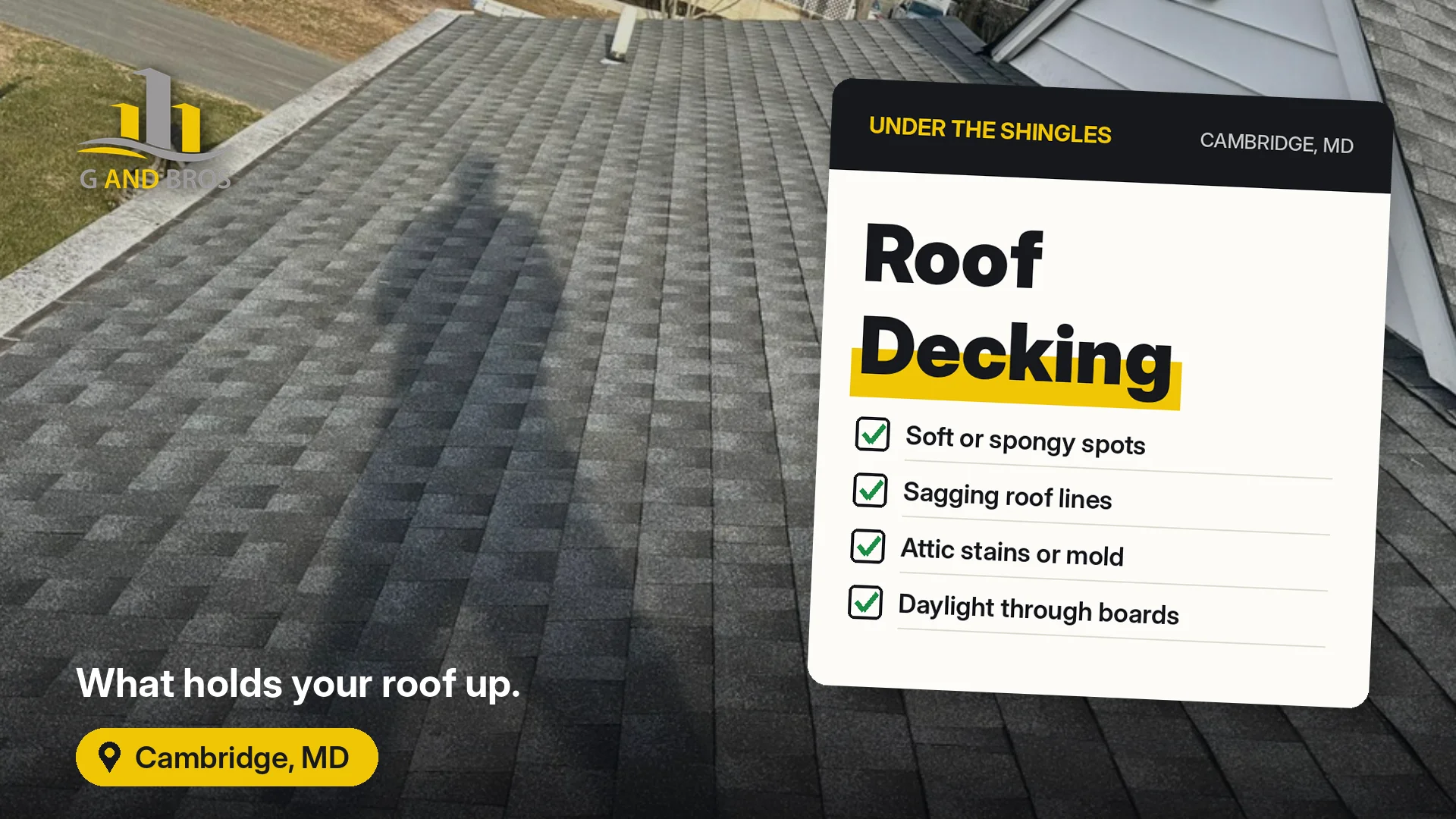
- Sagging or wavy sections on the roof surface
- Soft or spongy spots when a roofer walks the roof
- Staining, mold or a musty smell in the attic
- Shingles that buckle or do not lie flat
- Daylight showing through the roof boards in the attic
If you notice any of these, schedule a roof inspection before a small problem turns into a structural one.
What Happens to Decking During a Roof Replacement?
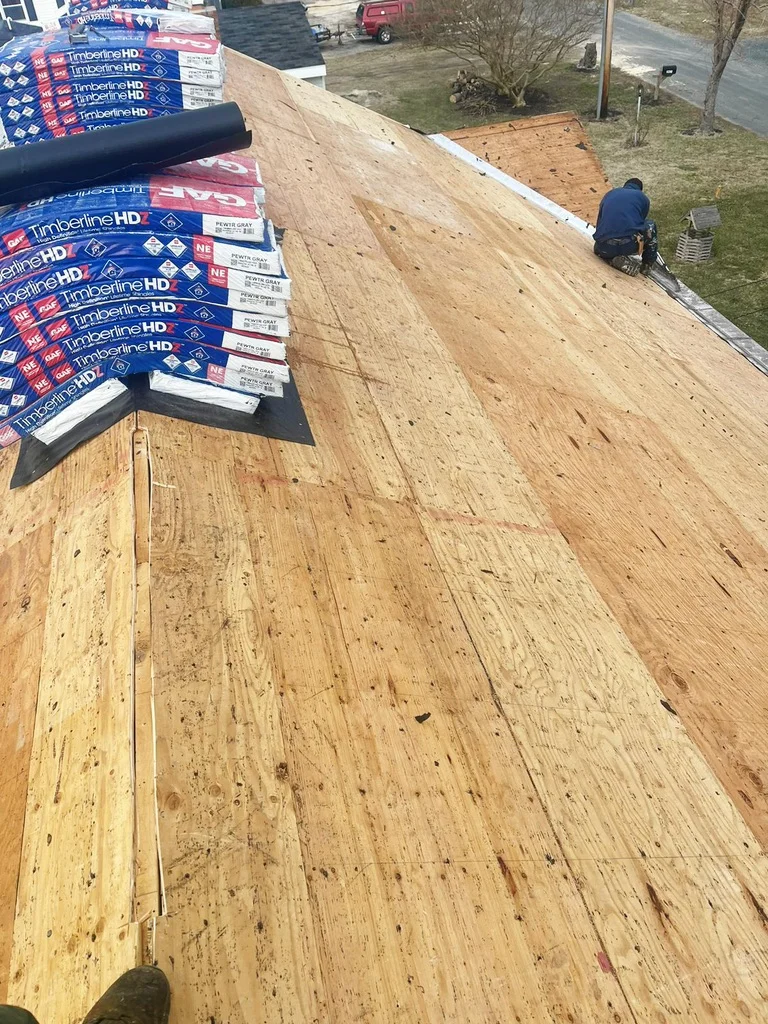
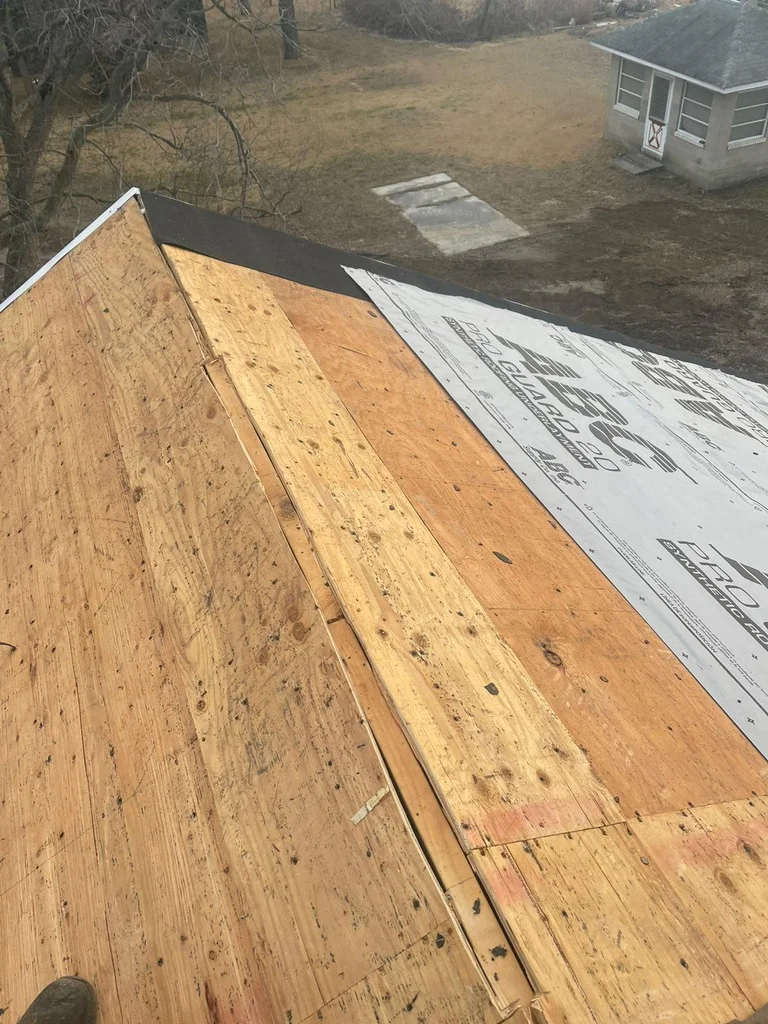
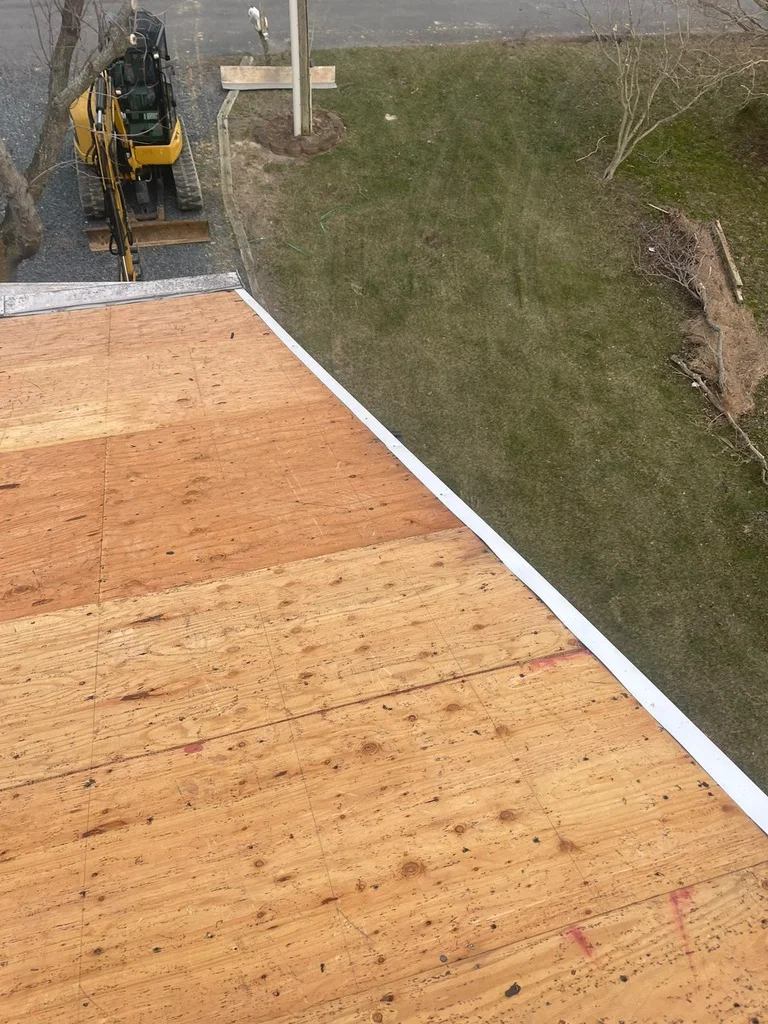
During a roof replacement, the decking is checked once the old shingles come off. Damaged boards are replaced before the underlayment and new shingles go down. At G and Bros we document what we find so you can see exactly what was replaced and why.
Can You Repair Decking Without Replacing the Whole Roof?
Often, yes. If the damage is limited to one area, a targeted roof repair can replace those boards without touching the rest of the roof. The key is catching it early, before the rot spreads.
Frequently Asked Questions
How long does roof decking last?
It depends on how dry it stays. With good ventilation and a watertight roof, decking can outlast more than one set of shingles. Leaks and trapped attic moisture are what shorten its life, which matters in humid areas like Dorchester County.
Does a new roof always include new decking?
Not automatically. A good contractor inspects the decking after tear-off and replaces only the boards that are damaged. Be cautious of anyone who says all of it always needs replacing, or that none of it does, without checking.
Is OSB or plywood better for Maryland homes?
Both work well when installed and ventilated correctly. Plywood tends to handle moisture a little better. Your contractor can help you choose based on your attic and your budget.
What affects the cost of replacing roof decking?
How many boards need replacing, the material and how hard the area is to reach. It is usually priced per sheet. An inspection gives you a real number for your home.
Can I check my roof decking without removing shingles?
Yes, from inside the attic. Look for dark stains, soft spots, mold or daylight through the boards. A roofer can also find soft areas while walking the roof.
Wondering what is under your shingles?
G and Bros is GAF Certified Plus, family-owned since 2012, with 25+ years of Maryland roofing experience from our founder. We work in Cambridge, Salisbury and across Dorchester and Wicomico counties.
Get a Roof Quoteor call 410-677-4975

Recent Blog Posts