How Salt Air and Summer Storms Damage Your Roof in Bethany Beach, DE
Roofing Bethany Beach DE homes is a different job than roofing a house an hour inland. If you own a home in Bethany Beach, your roof faces salt air, steady coastal wind and storm systems off the Atlantic, a combination that shortens roof life and opens up failure points most homeowners do not find until water is already inside.
This guide walks through what coastal conditions actually do to roofing materials, where damage tends to start on beach properties and what a practical maintenance schedule looks like for a Sussex County home.
What Salt Air Does to Roofing Materials
Salt air carries fine chloride particles that settle on every surface they touch: shingles, metal flashing, gutters and fasteners. Over time those deposits corrode and wear down materials in ways that are not always visible from the street until the damage is advanced.
Granule Loss on Asphalt Shingles
The granules embedded in asphalt shingles protect against UV damage and give the surface its durability. Salt and constant wind speed up granule loss, and beach properties often see it sooner than comparable inland homes. A simple check: after a heavy rain, look at what has collected in your gutters or at the base of your downspouts. A lot of grit means your shingles are wearing faster than they should.
Flashing and Metal Component Corrosion
Step flashing around chimneys, pipe boots over plumbing vents, ridge cap nails and gutter hangers all rely on metal. Near the coast, standard galvanized steel corrodes noticeably faster than it does farther inland. Once flashing starts to pit and pull away from the roofline, water gets in at the seams around chimneys, skylights, vents and valleys. Any inspection on a coastal property should look closely at every spot where metal meets the surface below it.
How Coastal Storms Hit Roofs Differently in Sussex County
Sussex County takes storms from two directions: tropical systems that track up the Atlantic in late summer and fall, and nor’easters that move up the coast in the cooler months. Communities like Bethany Beach and Fenwick Island sit right in the path of both. The National Weather Service Mount Holly office issues the coastal wind and storm warnings for this stretch of Delaware, and it is worth bookmarking if you own a second home here.
Standard roofing systems are designed to shed rain falling at a downward angle. Coastal storms change that angle. Strong wind can drive rain sideways and push water under shingles through gaps that would never let water in during a normal storm. That damage often does not show up right away. It appears weeks later as a slow stain on a ceiling or a water mark along the top of a wall.
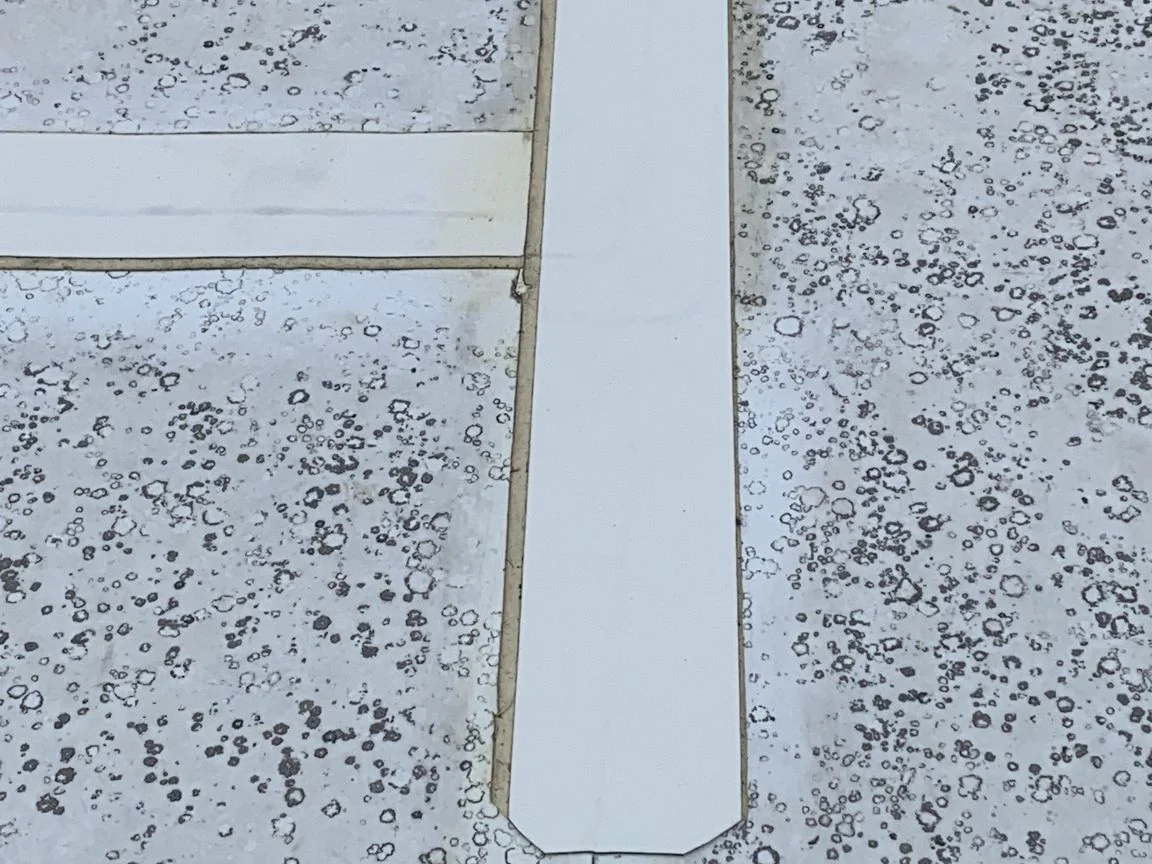
Low-slope sections over porches or additions are especially vulnerable. In a sustained wind event, pressure differences above and below the roof surface create a pulling force that can open membrane seams or lift the edges of sections that were not installed for high wind.
Where Coastal Roofs Fail First
From Selbyville and Frankford out to the oceanfront, the same failure points show up on Sussex County homes again and again.
- Ridge and hip caps. The most exposed part of any roof. Wind works under cap shingles from both directions, so loose or cracked ridge caps should be fixed before storm season.
- Chimney and skylight flashing. Salt-driven corrosion concentrates at these transitions. A small gap in step flashing around a chimney becomes a real leak during a coastal storm.
- Gutter attachment points. Gutters fill with debris, get heavy and pull away from the fascia. When they come loose, they often take the drip edge with them and leave the edge of the roof deck open to water.
- Roof-to-wall transitions. Where a porch or addition meets the main house, the wall flashing and counter-flashing need regular checks on coastal homes.
- Vent penetrations. Bath fan, dryer and kitchen exhaust vents have rubber or plastic boot collars. Sun and salt air wear these boots out faster than the shingles around them.
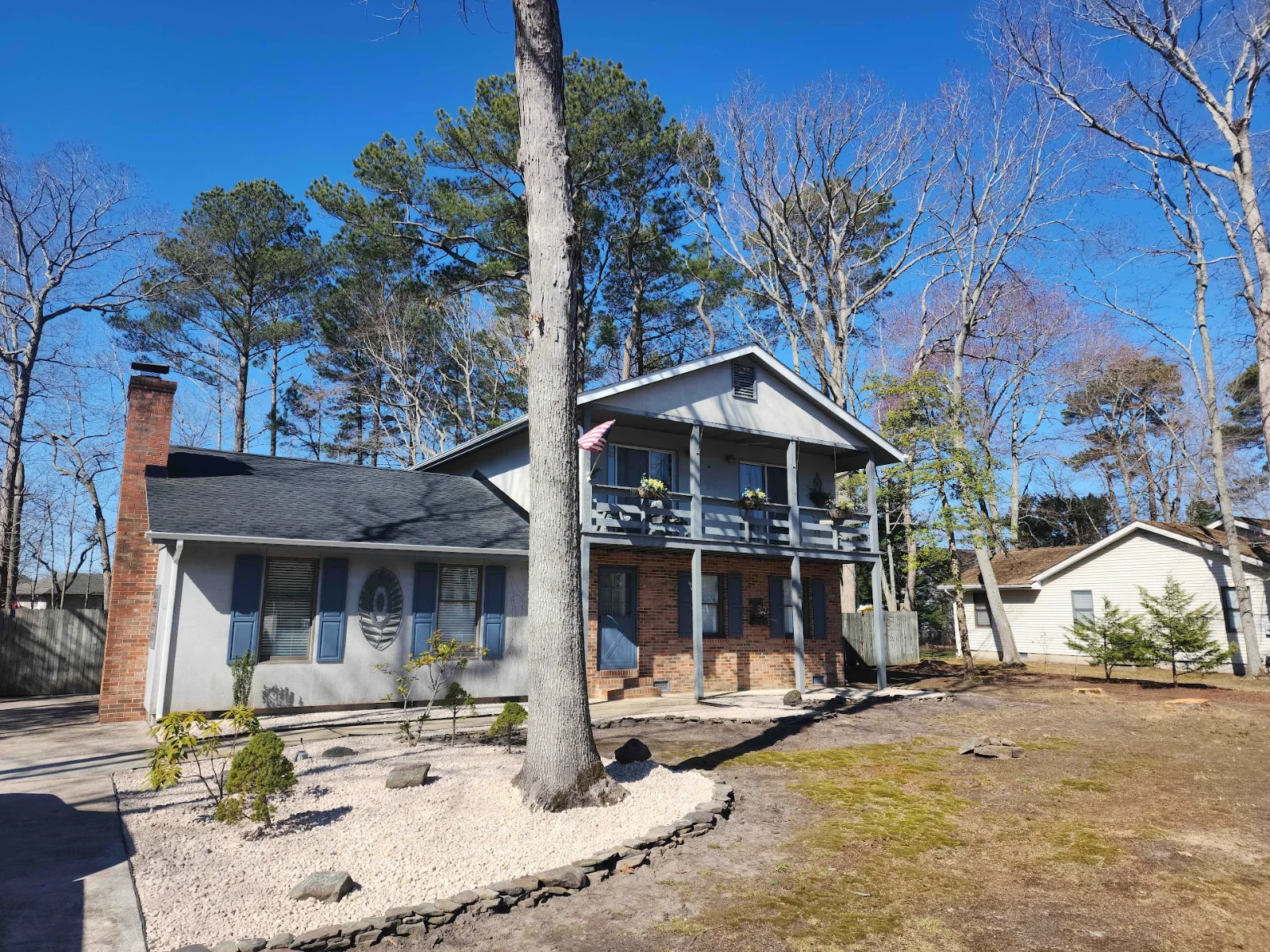
A Practical Maintenance Schedule for Beach House Owners
Many beach homeowners split time between a primary residence and the coastal property. This schedule works around that.
- Spring visit (April or May): Clear winter debris from valleys and gutters. Check gutter hangers for pullback. Look at visible metal for surface rust or gaps, and check any accessible attic space for water stains or daylight coming through.
- Mid-summer (July): Look over the roof from the ground with binoculars after any big storm. Check gutters for granules as a sign of shingle wear. Schedule a professional roof inspection if the roof is over 10 years old or you have noticed ceiling stains at any point during the year.
- Fall closeout (October or November): Clean and flush gutters before closing up for the off-season. Take care of known small problems before winter so water does not have months to work into a weak spot. Take photos of the roof so you have a baseline if a storm hits while you are away.
Why GAF Certification Matters on Coastal Properties
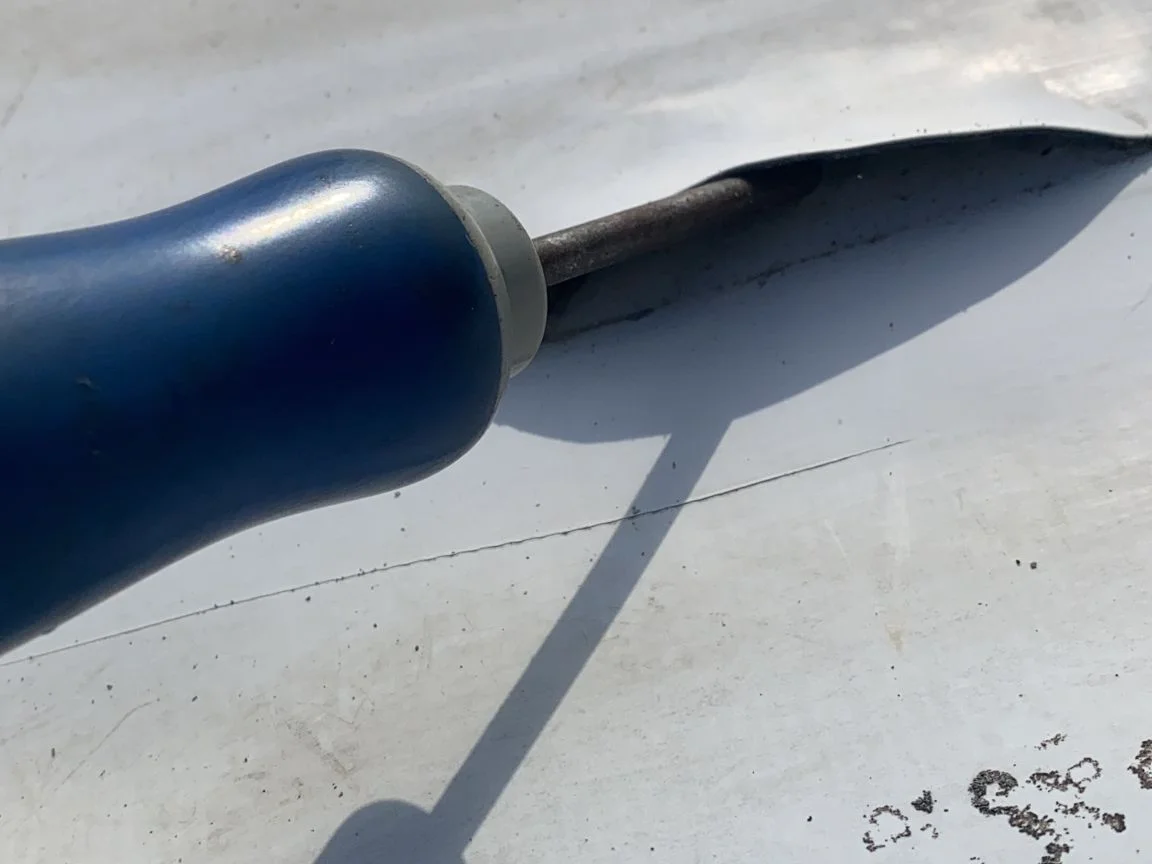
A correctly installed GAF system can qualify for an enhanced manufacturer warranty, and some GAF warranties include workmanship coverage when the installer holds the right certification. On a coastal property, where the roof works harder every year than an inland one, a warranted installation gives you recourse if something fails before it should.
G and Bros is GAF Certified Plus, family-owned since 2012, with 25+ years of Maryland roofing experience from our founder. Delaware does not issue a separate roofing license. Instead, contractors working in the state must register with the Delaware Department of Labor Office of Contractor Registration and hold a Delaware business license from the Division of Revenue. Before you sign with any roofer for a coastal property, ask for both.
Frequently Asked Questions
How often should a beach house roof be professionally inspected?
For coastal Sussex County properties, plan on a professional inspection at least every two years and after any major wind storm. Yearly inspections make sense if the roof is over 15 years old or has had flashing or leak problems before.
Does salt air void a manufacturer’s roof warranty?
Most shingle warranties do not exclude coastal homes outright, but terms vary by product and some have conditions for properties close to salt water. Coverage also depends on correct installation and, for enhanced warranties, a certified installer. Ask your contractor to confirm the specific warranty terms for your address before work begins.
What roofing material holds up best near the Delaware coast?
Architectural asphalt shingles with a high wind rating and proper installation perform well on most coastal Delaware homes. For direct oceanfront exposure, metal roofing usually handles salt air and wind uplift better over the long term. The right choice depends on your budget, the pitch of your roof and how long you plan to own the property.
Can I file an insurance claim for beach house storm damage if I was not there when it happened?
Generally, yes. You will want local weather data showing the storm (National Weather Service records are public), photos and a written damage assessment from a roofer, and you need to file within your policy’s reporting window. If the home sits empty for long stretches, check with your insurer about any vacancy provisions in your policy.
How do I find a qualified roofer for a coastal Delaware property?
Ask for proof of Delaware contractor registration and a Delaware business license, a certificate of insurance and manufacturer certifications before you sign. G and Bros serves Bethany Beach, Fenwick Island, Selbyville, Millsboro and the rest of Sussex County.
Schedule a Coastal Roof Inspection
If your beach property has not had a professional roof inspection in the last two years, it is a good time to get one on the calendar. Our team knows what coastal conditions do to roofing systems and can walk you through the condition of every component before the next storm season.
Call us at 410-677-4975 or contact us online to get started with roofing in Bethany Beach and across coastal Sussex County.

Recent Blog Posts