How Insurance Claims Work for Storm-Damaged Roofs on Maryland’s Eastern Shore
How to File a Storm Damage Roof Insurance Claim in Maryland: A Guide for Ocean Pines Homeowners
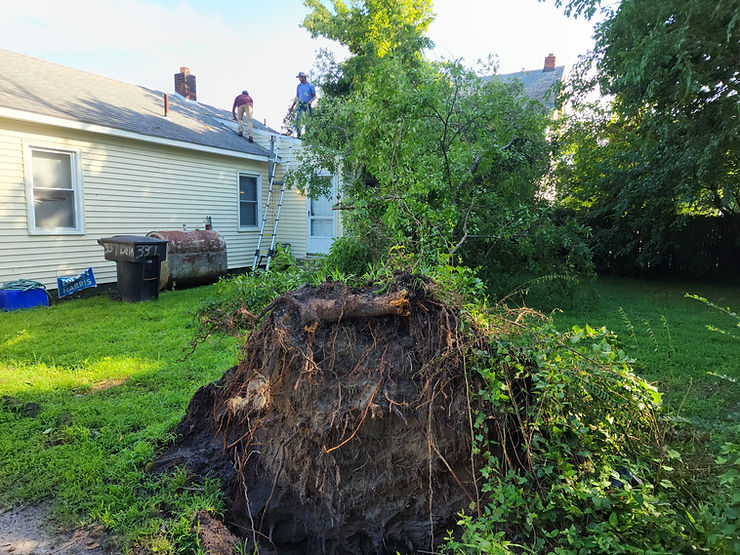
After a storm rolls through Ocean Pines or anywhere else on Maryland’s Eastern Shore, the damage to your roof can feel overwhelming. High winds, hail, and heavy rain do not just leave a mess behind. They can cause serious structural problems that get worse the longer you wait to address them.
The good news? Most homeowners insurance policies cover storm damage to your roof. The tricky part is knowing how to document it correctly, file on time, and avoid the common mistakes that delay or reduce your payout.
This guide walks you through the entire storm damage roof insurance claim process, from the moment the storm passes to the day your repaired or replaced roof is finished.
Does Homeowners Insurance Cover Roof Storm Damage in Maryland?
In most cases, yes. But the details matter. Standard homeowners policies in Maryland typically cover:
- Wind damage from thunderstorms, nor’easters, and hurricanes
- Hail damage that cracks, dents, or punctures roofing materials
- Falling debris like tree limbs that land on your roof during a storm
- Water intrusion caused by storm-related roof damage
What is usually NOT covered: damage from general wear and tear, neglect, or roofs that were already in poor condition before the storm hit. That is why routine maintenance matters. A documented inspection history can actually strengthen your claim if questions come up later.
Step 1: Stay Safe and Wait for the Storm to Pass
Before you do anything else, stay inside. Do not go on your roof during or immediately after a storm. Wet surfaces, hidden structural damage, and downed power lines make post-storm rooftops extremely dangerous.
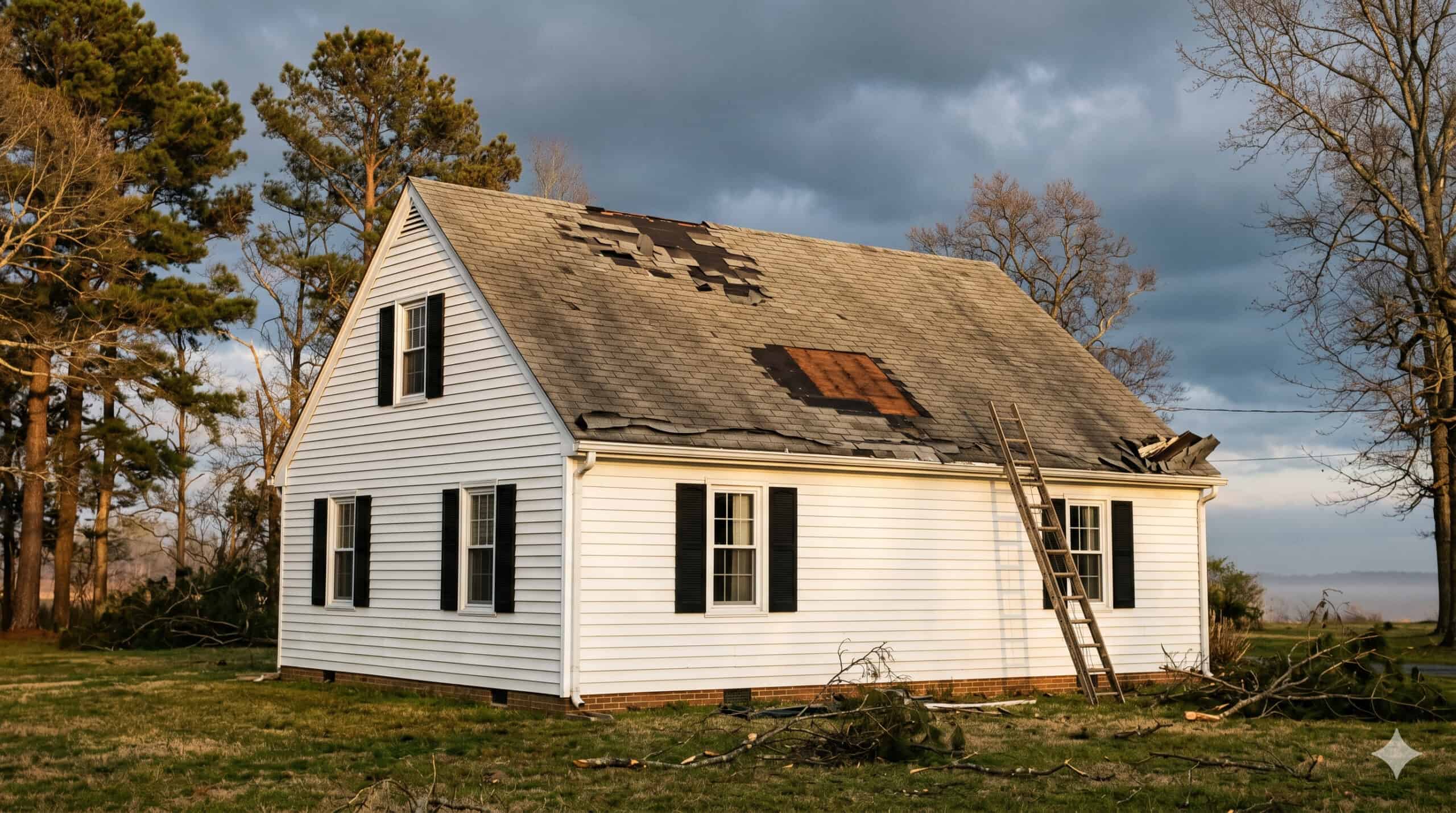
Once it is safe to go outside, do a quick visual check from the ground. Look for:
- Missing, curled, or torn shingles
- Dents in metal vents, flashing, or ridge caps
- Debris or tree limbs resting on the roof
- Sagging areas or visible holes in the roofline
- Water stains or drips inside the attic or on upper-floor ceilings
If you notice water coming inside, place buckets under the leak and call us right away. Emergency tarping may be available to prevent further damage while your claim is processed.
Step 2: Document Everything Before Touching Anything
This step is critical, and it is often skipped. Before any cleanup or temporary repairs, document all damage as thoroughly as possible.
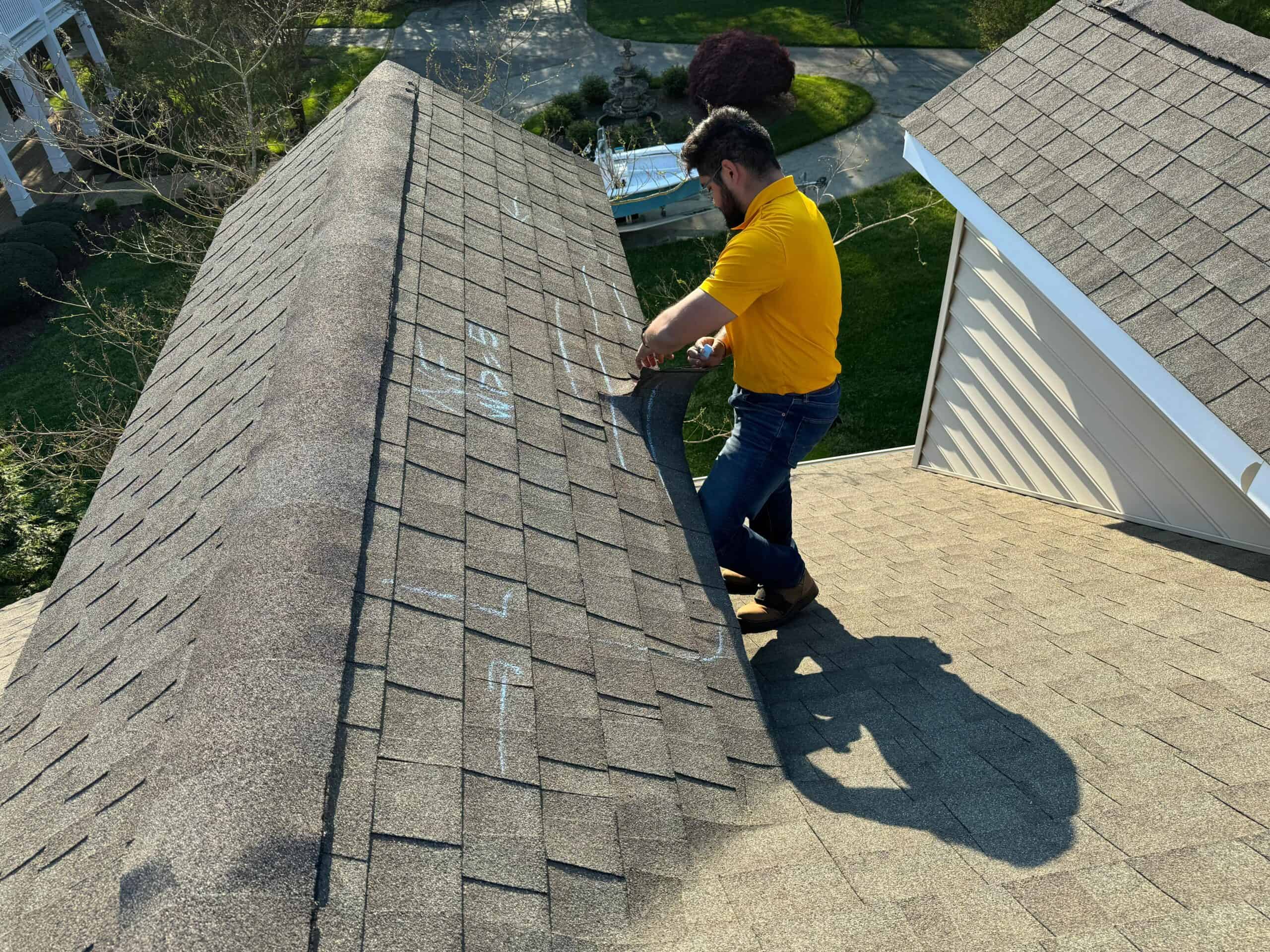
How to Document Storm Damage
- Take photos and videos from multiple angles: ground level, close-ups of damaged areas, and wide shots of the full roof.
- Walk the entire perimeter of the house and photograph siding, windows, AC units, and outdoor structures too. Storm damage is rarely limited to just the roof.
- Save any damaged materials (shingles, flashing pieces) that fall to the ground. Your adjuster may want to see them.
- Record the date and approximate time of the storm.
- Note the storm name or any local news coverage you can reference later.
The more documentation you have, the stronger your claim. Insurance adjusters look for clear evidence that damage is storm-related and not pre-existing.
Step 3: Contact Your Insurance Company Promptly
Most policies require you to report damage within a specific timeframe, often 30 to 60 days. Do not wait. Call your insurance company or file through their app as soon as you have documented the damage.
When you call, have ready:
- Your policy number
- The date of the storm
- A description of the visible damage
- Your photos and videos (many insurers let you upload directly)
Your insurer will assign an adjuster to your claim and schedule an inspection. During busy storm seasons on the Eastern Shore, this process can take a week or more, so the earlier you call, the better.
Step 4: Get an Independent Roof Inspection
Here is something many homeowners do not realize: you are not required to rely solely on the insurance company’s adjuster. You have every right to have a professional roofing contractor inspect the damage independently, and in many cases, this is a very smart move.
An experienced local roofer can:
- Identify damage the adjuster may miss, especially on flat sections or inside the attic
- Provide a written estimate that supports your claim
- Help you understand what your policy should reasonably cover
- Document secondary damage like water intrusion at the eave line or around skylights
G and Bros offers free storm damage inspections throughout Maryland and Delaware. We know what adjusters look for, and we provide everything in writing to support your case. Learn more on our storm restoration page.
Step 5: Work With Your Adjuster and Know Your Rights
When the insurance adjuster arrives, walk the property with them if you can. Point out everything you documented in Step 2. Do not minimize or guess. Just describe what you observed and when.
After the inspection, the adjuster will issue a claim summary detailing what they believe is covered and an estimated payout. Review this carefully.

If You Disagree With the Adjuster’s Assessment
- Request a written explanation of any denied or reduced line items
- Share your contractor’s independent estimate
- Ask about the re-inspection or appraisal process outlined in your policy
- Consider hiring a public adjuster if the claim is large and disputed
Maryland homeowners have legal protections in the insurance claims process. You are not obligated to accept the first offer if it underpays your actual repair costs. Visit our FAQ page for answers to common questions about the claims process.
Step 6: Choose a Licensed, Local Roofing Contractor
Once your claim is approved, resist the urge to hire the first contractor who shows up at your door. “Storm chasers,” meaning out-of-town contractors who flood disaster areas after major weather events, are a real problem across Maryland. They are often unlicensed, underinsured, and long gone before warranty issues arise.
Instead, choose a licensed, local contractor with a track record in your community.
What to Look For
- Licensed and insured in Maryland
- Local office and established reputation
- Experience working directly with insurance companies
- Verifiable references from nearby homeowners
- A detailed written estimate before any work begins
G and Bros is based right here on the Eastern Shore and has helped homeowners in Ocean Pines, Cambridge, Princess Anne, Salisbury, Bethany Beach, and across the Delmarva Peninsula navigate the insurance process from start to finish. We work with all major carriers and can coordinate directly with your adjuster. Visit our residential roofing page to learn more about what we do.
Common Mistakes That Can Hurt Your Storm Damage Claim
Avoid these pitfalls that can reduce your payout or get your claim denied:
- Waiting too long to report: Most policies have a filing deadline. Do not assume you have unlimited time.
- Making major repairs before the adjuster visits: Temporary emergency repairs (like tarping) are fine, but do not replace the roof before the damage is officially documented.
- Skipping the paper trail: Verbal conversations with your insurer do not count. Get everything in writing.
- Signing an Assignment of Benefits without reading it: Some contractors push agreements that transfer your insurance rights to them. Read everything carefully before you sign anything.
- Overlooking interior damage: A leaky roof can cause mold, damaged insulation, and structural rot. Make sure interior damage is included in your claim.

Frequently Asked Questions
How long do I have to file a storm damage roof insurance claim in Maryland?
Most Maryland homeowners insurance policies require you to report damage within 30 to 60 days of the storm. Some policies allow up to one year, but waiting too long makes it harder to prove the damage came from the specific storm. File as soon as you have safely documented everything.
Will filing a storm damage claim raise my homeowners insurance rate?
Storm damage claims are typically considered “act of God” claims and do not raise your individual rate the way at-fault claims do. However, multiple claims in a short period or widespread area-wide claims after major weather events can affect rates across a region. Talk to your agent about your specific policy.
Can my insurance company require me to use a specific roofing contractor?
No. In Maryland, you have the right to choose your own licensed contractor. Insurance companies may suggest a preferred vendor, but you are not obligated to use them. Choosing your own local contractor often results in better workmanship and a stronger advocate during the claim process.
What if my storm damage claim is denied?
You have options. Request a written denial explanation, get an independent inspection and estimate from a local roofer, and ask your insurer about the appraisal process. If you still disagree, you can file a complaint with the Maryland Insurance Administration or hire a public adjuster to negotiate on your behalf.
Do I have to pay my deductible up front?
Your deductible is your responsibility and is subtracted from your final claim payout. Most contractors collect the deductible amount before or during the work, since it is the portion of the project your insurance is not paying. Be cautious of any contractor who offers to “waive” your deductible. That is illegal in many states and can void your claim.
G and Bros: Your Eastern Shore Storm Damage Partner
A storm-damaged roof is stressful enough without also navigating a complicated insurance process alone. At G and Bros, we have helped homeowners throughout the Eastern Shore, from Ocean Pines to Pocomoke City, get the coverage they deserve and get their roofs restored the right way.
Whether you need a free inspection, help documenting damage, or a trusted contractor to work alongside your insurance company, our team is ready to help. Schedule a free estimate on our roof repairs page or reach out through our contact page.
Ready to get your storm damage claim started? Contact G and Bros today for a free estimate. Call us at 410-677-4975 or visit gandbrosroofing.com.

Recent Blog Posts