Schedule Your Free Delmarva Roofing Inspection Before Spring Storms Roll In
Schedule Your Free Delmarva Roofing Inspection Before Spring Storms Roll In
This winter on the Eastern Shore was no joke. Cold snaps, gusty wind off the bay, and a few rounds of wet snow took turns hammering roofs across Salisbury, MD and the rest of the Delmarva Peninsula. With spring right around the corner, the smartest move you can make as a homeowner is to get eyes on your roof before warmer-weather storms find every weak spot for you.
That is exactly why we offer free roof inspections. No pressure, no salesy pitch, just a trained roofer giving you the real story on what your roof has been through and what it needs next.
What a Thorough Roof Inspection Should Cover
Not every “free inspection” is created equal. Some companies show up, take five minutes, and try to sell you a new roof on the spot. A real inspection takes time and covers more than just the shingles you can see from the driveway. Here is what should actually happen when a qualified roofer inspects your home. These are not in any specific order, but they should all get a careful look.
1. Grounds Inspection
Before climbing up, the roofer should walk the perimeter of your property. They are looking for anything around the house that could be putting the roof at risk. Overhanging tree limbs that rub against shingles in the wind. Animal activity like squirrels or birds nesting near soffits. Storm debris piling up in valleys or against gutters.
A good grounds walk also catches missing or curled shingles you can spot from below, sagging gutters, and obvious wind damage from the last few months. It also helps the roofer plan the safest way to get up on the roof.
2. Roof Surface Inspection
Next comes the climb. Up on the roof, your inspector should check every slope for shingle condition: missing tabs, lifted edges, granule loss, hail bruising, cracks, and exposed nails. On Delmarva, the salt air and humidity speed up shingle aging, so even a roof that looks fine from the ground can have plenty going on up close.
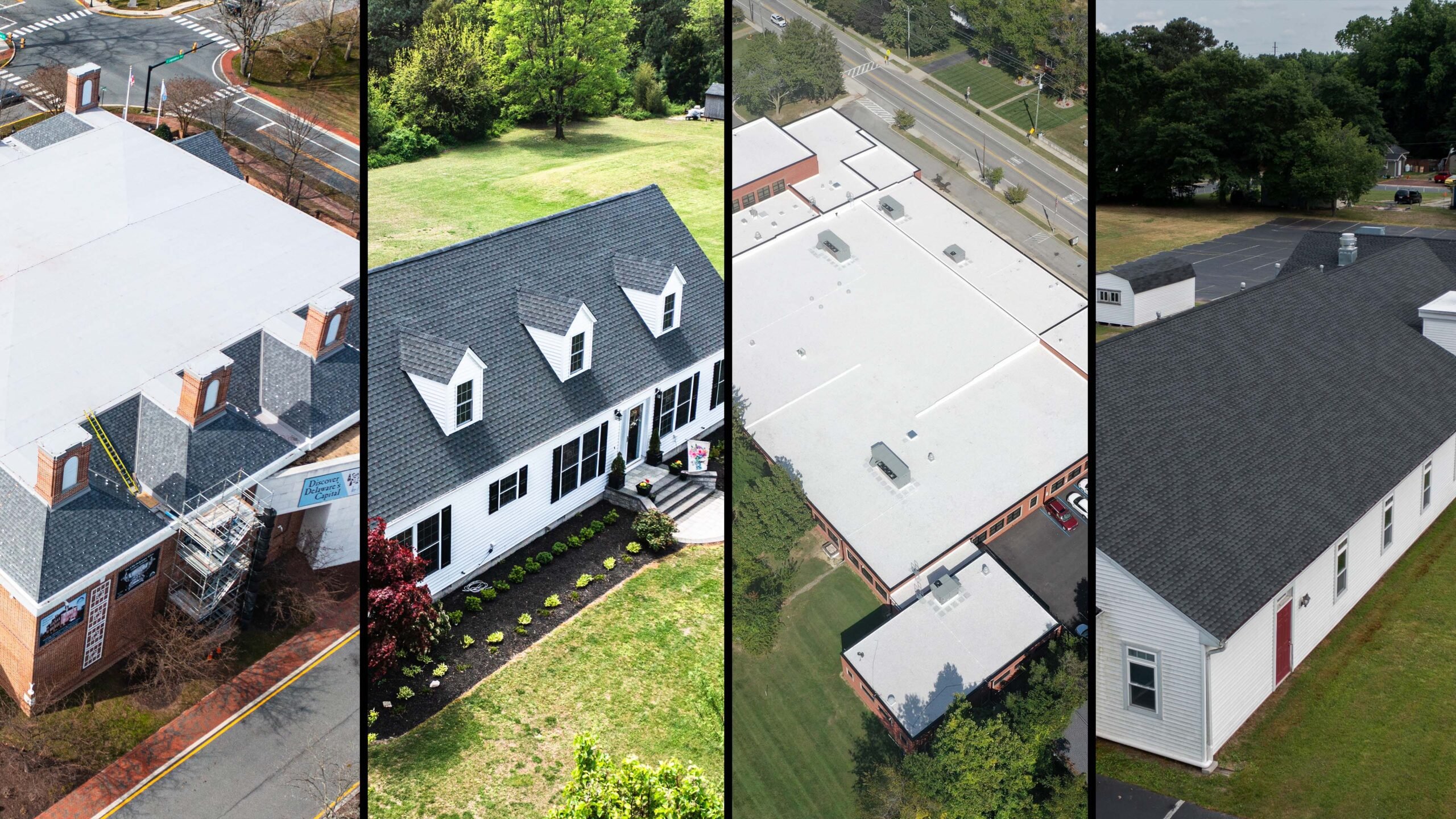
If you have a metal roof, the inspector will check seams, fasteners, and any signs of corrosion. Flat commercial roofs (TPO, PVC, EPDM) need a careful walk for membrane punctures, pooled water, and seam separation.
3. Flashing, Vents, and Penetrations
Most roof leaks do not come from the open field of shingles. They come from the places where the roof meets something else: chimneys, skylights, vent pipes, satellite dish mounts, and valleys. The roofer should look at every flashing detail and every sealed boot. Cracked pipe boots and lifted step flashing are two of the most common culprits we find on Delmarva homes and the source of a lot of roof repair calls each spring.
4. Gutter and Downspout Check
Gutters are part of the roof system, even though most folks think of them separately. The inspector should check that gutters are clear, attached firmly, sloped correctly, and shedding water away from the foundation. Granules collecting in the gutter are a tell that shingles are aging fast. Pulled-away fascia or rotting trim points to long-term moisture problems.
5. Attic and Interior Walk
This is the step a lot of quick inspectors skip, and it is one of the most important. From inside the attic, your roofer should look for daylight coming through the deck, water stains on rafters, mold on insulation, blocked vents, and signs of pests. Proper ventilation is huge here. Without it, even a brand new roof will age years ahead of schedule.
6. Written Report with Photos
When the inspection wraps, you should walk away with more than a verbal “looks good” or “you need a new roof.” Ask for a written report with photos showing exactly what the roofer found and where. Clear documentation is also gold if you need to file an insurance claim down the road.
Why Spring Is the Right Time for a Roof Inspection on Delmarva
Spring on the Eastern Shore brings nor’easters, gusty thunderstorms, and the first real heat waves of the year. Each of these stresses a roof in a different way. If your shingles already took damage over the winter, a single spring storm can turn small issues into expensive repairs.
Booking an inspection now means you find problems while the weather is mild and repairs are easy to schedule. It also lets you plan for a roof replacement on your own timeline instead of in the middle of an emergency.
Frequently Asked Questions
How long does a free roof inspection take?
Most residential inspections take 45 to 60 minutes. Larger homes, multi-section roofs, or commercial buildings can take longer. We give you the time you need rather than rushing through to the next job.
Do I have to be home for the inspection?
For the roof and grounds portion, no. Ideally you are home for the attic check and the walk-through of findings at the end, but we can also send the report digitally if your schedule is tight.
Will the inspection damage my roof?
No. A professional inspection is non-invasive. We walk carefully, check what we can access safely, and never drive nails or cut into materials during the inspection itself.
What happens if you find damage?
We give you the full report with photos, talk through your options, and only do repair work if you decide to move forward. If the damage looks storm-related, we can also walk you through the insurance claims process at no charge.
Do you inspect commercial buildings too?
Yes. We inspect residential and commercial roofs across Wicomico, Worcester, Dorchester, Somerset, and Sussex counties. Flat membrane systems like TPO, PVC, and EPDM get the same careful attention as residential shingle roofs.
Book Your Free Inspection This Week
Spring is short on the Eastern Shore, and our inspection calendar fills up fast once storms start rolling through. The earlier you book, the more peace of mind you get.
Ready to know exactly where your roof stands? Contact G and Bros today for a free inspection. Call us at 410-677-4975 or visit gandbrosroofing.com and tell us a little about your home. We will be in touch within one business day to lock in a time.

Recent Blog Posts