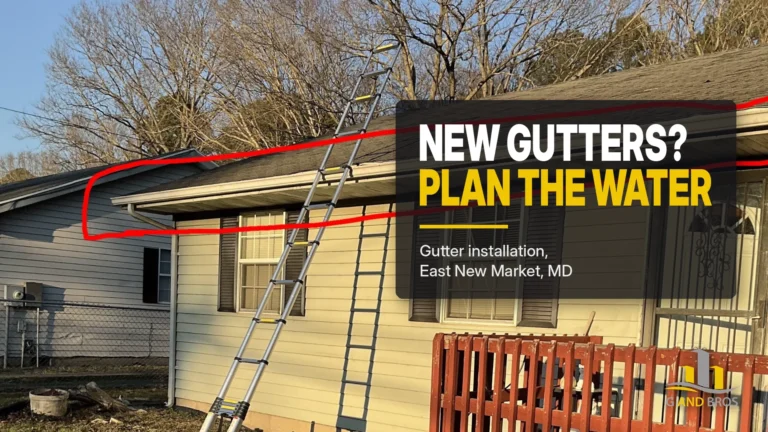

Gutters in Laurel, DE: Repair or Replace Before Leaf Season
Most calls we get about gutters in Laurel, DE start the same way: water spilling over the front edge during a hard rain, a downspout that pulled loose, or a stain on the siding that keeps coming back. Mid-October is a good time to deal with any of it. The leaves are starting to drop, nor’easter season is close, and a gutter that is already struggling will not get better once it is packed with wet leaves.
This guide covers what usually goes wrong with gutters on Laurel homes, when a repair is enough, when new gutters make more sense, and what a good installation should include. If your problem is mostly debris, our posts on clogged gutters and roof damage and fall gutter maintenance go deeper on cleaning.
Why Gutters Work Hard in Laurel
Laurel sits in western Sussex County along Broad Creek, which runs out to the Nanticoke River. A lot of the town is older housing, including a historic district with homes that have been through several rounds of roofs and gutters, plus newer neighborhoods and farm properties outside town. Mature oaks, maples and pines are everywhere, and Trap Pond State Park is just down the road. That shade is great in July and hard on gutters in October.
Flat, low ground also matters. When a downspout dumps water right at the foundation, it has nowhere to go, so it soaks in along the wall or pools by the crawlspace. Good gutters are only half the job; where the water ends up is the other half.
Where Gutters Usually Fail
When we walk a house, the same four spots cause most of the trouble. The illustration below shows where they are on a typical eave.
The four spots we check first on every gutter run
Illustration only. Based on what our crews check on residential gutter inspections across the Eastern Shore and Sussex County.
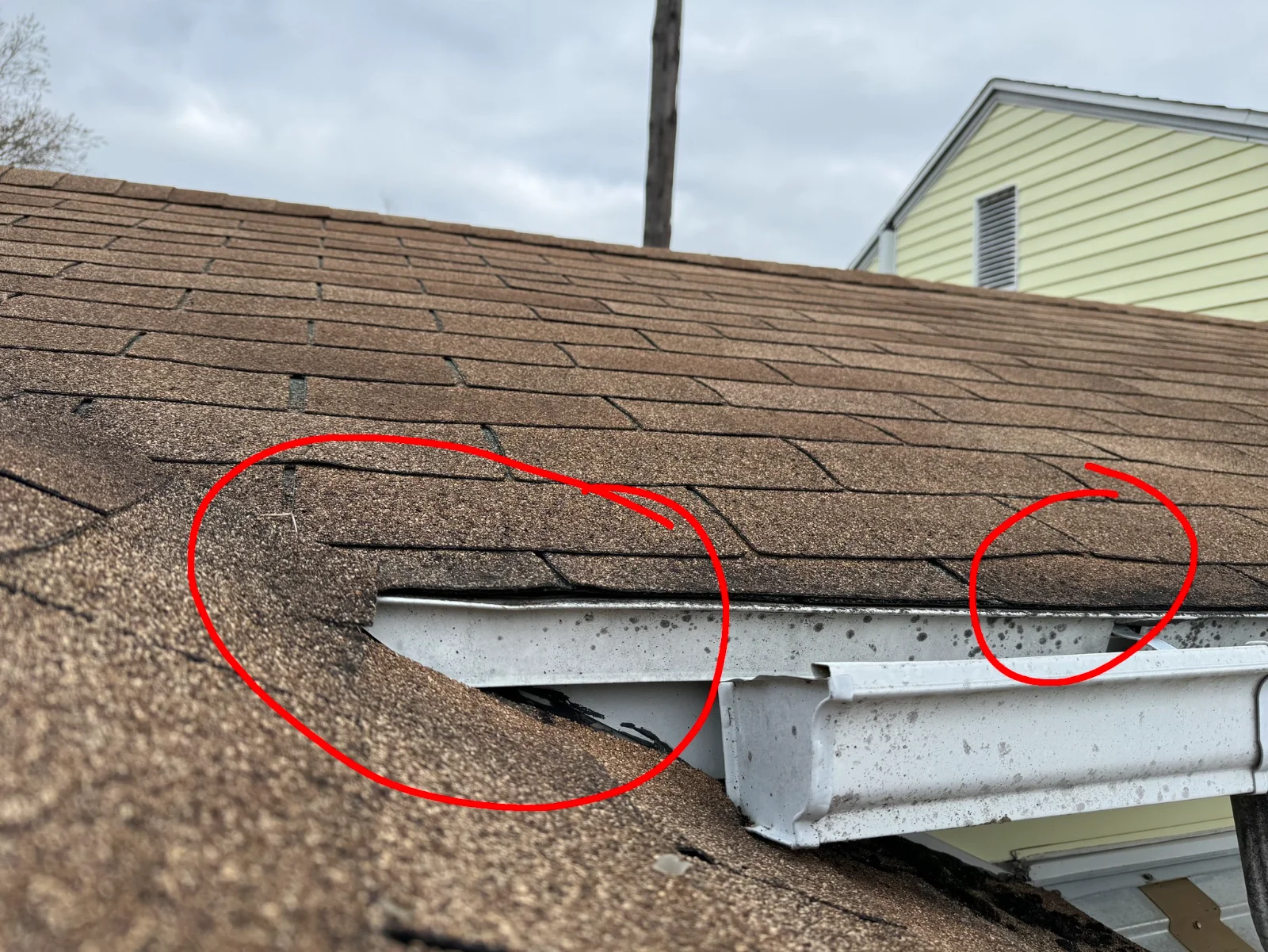
- The roof edge. If there is a gap between the shingles or drip edge and the back of the gutter, water runs behind it and rots the fascia.
- Corner seams and end caps. Sealant dries out and cracks, so corners drip even when the rest of the run is fine.
- The downspout outlet. Leaves and shingle granules pile up where the gutter drains, and the whole run overflows.
- The discharge point. A missing elbow or splash block puts roof water right against the foundation.
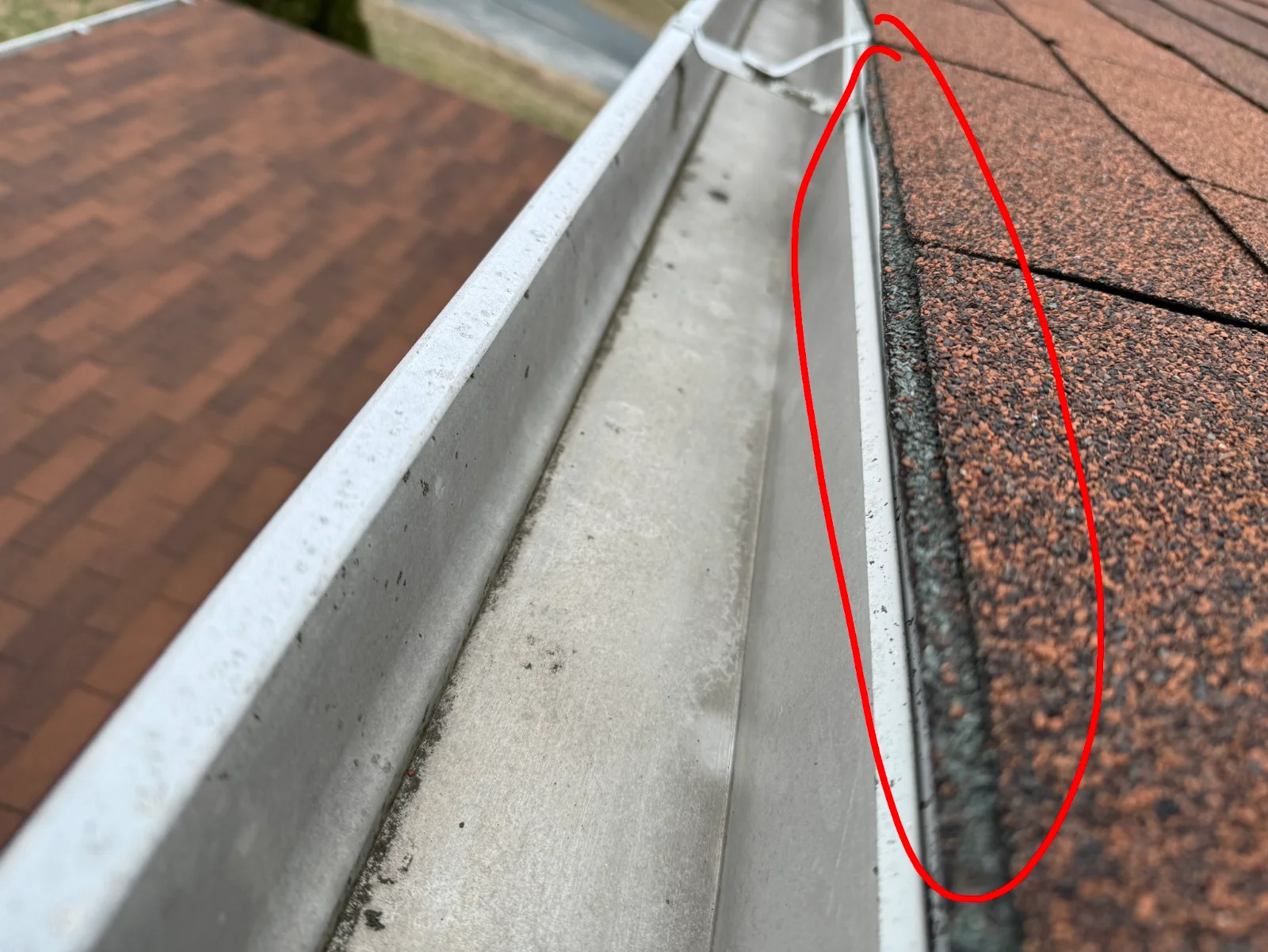
Repair or Replace? A Quick Guide
Plenty of gutter problems are small fixes. Others are a sign the system is worn out or was the wrong size from the start. This is roughly how we sort it out on an inspection.
| What you see | Usually a repair | Time to replace |
|---|---|---|
| Drip at one corner | Reseal or replace the corner | Several corners and seams leaking |
| Sagging section | Add or reset hangers | Sags across the whole run, bent sections |
| Overflow in heavy rain | Clean, check slope and outlets | Gutter or downspouts too small for the roof |
| Water behind the gutter | Add drip edge or gutter apron | Fascia rotted along the whole edge |
| Loose downspout | Re-strap and reconnect elbows | Crushed or rusted downspouts throughout |
General guide from G and Bros gutter inspections. Every house is different, so the final call comes after we see your gutters in person.
What a Good Gutter Installation Includes
If replacement makes sense, the details are what decide whether the new gutters still work in fifteen years. Here is what we look for on any install, ours or anyone else’s.
Five things to ask about before new gutters go up
Seamless runs. Gutters formed on site in one piece per run leave only corners and ends as joints, so there are fewer places to leak.
The right size. Many homes do well with 5-inch K-style gutters. Larger or steeper roofs, and long runs that collect from valleys, often need 6-inch gutters and larger downspouts.
Proper slope. The gutter should fall gently toward each downspout so water does not sit. Too flat and it holds water; too steep and it looks crooked.
Hidden hangers spaced close together. Hangers screwed into solid fascia hold the gutter when it is full of wet leaves or ice.
Downspouts that move water away. Enough downspouts for the roof area, with elbows and extensions or splash blocks that carry water away from the foundation.
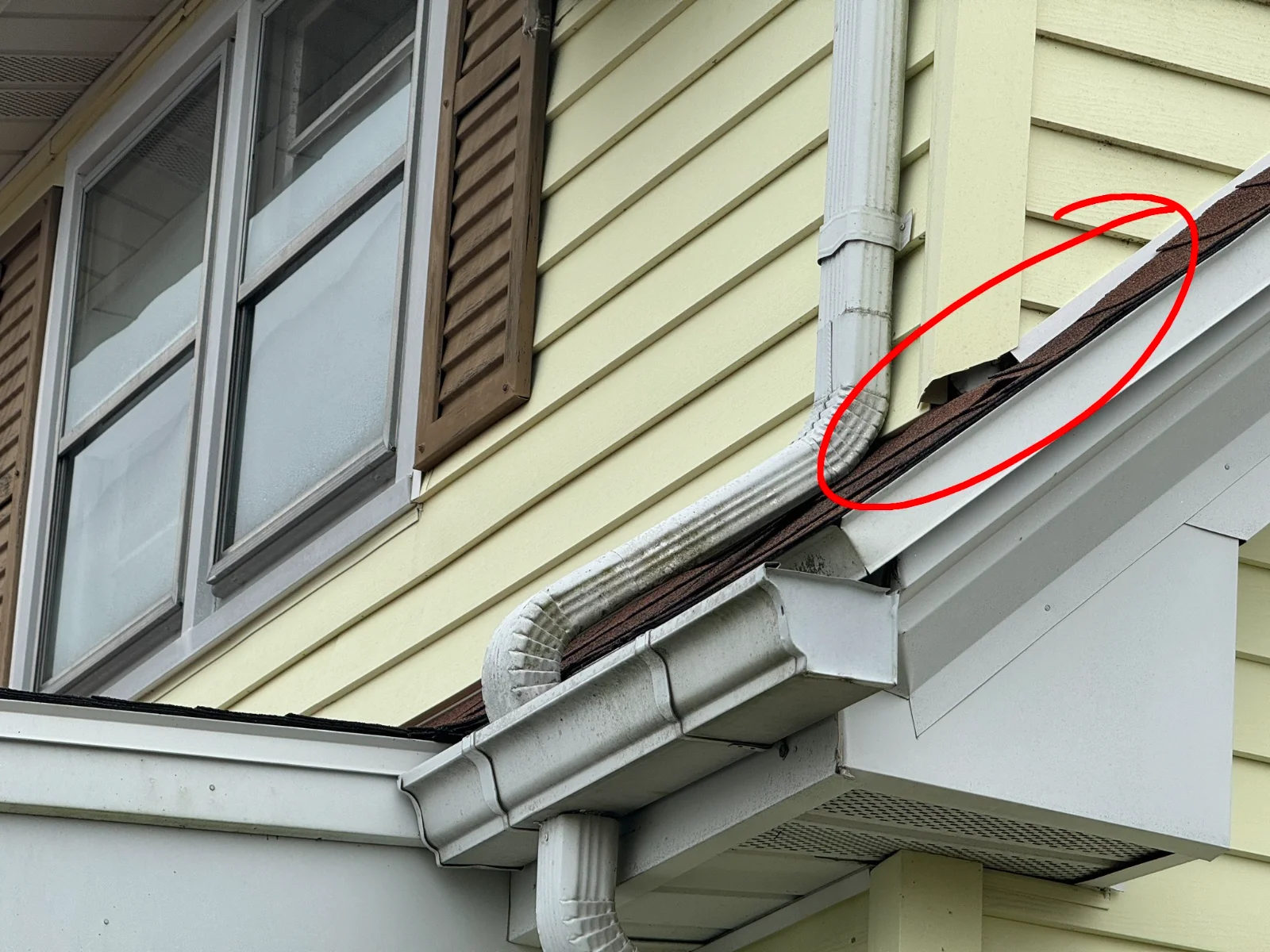
Gutters also have to work with the roof. If the roof is due for replacement in the next few years, it usually makes sense to plan both together so new drip edge and gutters go on at the same time. If you are doing both, financing is available through GoodLeap.
An October Gutter Check You Can Do From the Ground
You do not need a ladder to spot most problems. On the next rainy day, walk around the house with an umbrella and look for these:
- Water sheeting over the front of a gutter instead of going down the downspout
- Drips from corners, seams or end caps
- Downspouts that are quiet while the gutter overflows (usually a clog at the outlet)
- Puddles or washed-out mulch at the base of a downspout
- Dark streaks or peeling paint on the fascia board behind the gutter
Hiring in Delaware: gutter and roofing contractors working in Delaware need a Delaware business license from the Division of Revenue. You can look a contractor up on the Division of Revenue contractor page before you sign anything.
We work in Laurel and the towns around it, including Seaford, Delmar and Bethel, and we run gutter and roofing jobs from Salisbury to Millsboro.
Frequently Asked Questions
How do I know if my gutters need to be replaced or just repaired?
If the problem is in one spot, like a leaking corner or a loose hanger, a repair usually fixes it. If you have leaks at several seams, sagging along whole runs, rotted fascia or overflow even after cleaning, replacement is usually the better value.
Are 5-inch or 6-inch gutters better for a Laurel home?
Many homes do fine with 5-inch gutters. Bigger or steeper roofs, and runs below valleys that collect a lot of water, often need 6-inch gutters and larger downspouts. The right size depends on your roof, so we measure before we recommend one.
When is the best time to replace gutters in Sussex County?
Any dry stretch works, but early fall is popular because it gets new gutters in place before leaves drop and winter storms arrive. If your roof is also due soon, plan both together.
Why does water come out behind my gutter?
Usually there is a gap between the roof edge and the back of the gutter, or the drip edge is missing or too short. Water follows the underside of the shingles and runs down the fascia. Adding drip edge or a gutter apron usually fixes it.
Should I get gutter guards with new gutters?
Guards can cut down on cleaning, especially under big trees, but every guard still needs an occasional check. We go over the options in our gutter guards guide.
Gutters giving you trouble in Laurel?
G and Bros is GAF Certified Plus, family-owned since 2012, with 25+ years of Maryland roofing experience from our founder. We inspect, repair and install gutters in Laurel, Seaford and across Sussex County, DE, plus Salisbury and the Lower Shore of Maryland.
Get a Roof Quoteor call 410-677-4975

Recent Blog Posts