How Does an Attic Fan Work? (And Why It Matters for Your Roof)
If your attic is roasting in the summer or feeling damp and musty in the winter, your home might be trying to tell you something. It is time to think about attic ventilation. One of the best tools for the job? An attic fan.
G and Bros has been a family-owned Eastern Shore roofing company since 2012. Our founder Guillermo Molina-Reyes brings 25+ years of hands-on Maryland roofing experience to every estimate, and we look at attic ventilation on every roof we replace. A bad attic ventilation system can shave 5 to 10 years off a brand-new shingle roof. A good one extends the manufacturer warranty AND drops your summer cooling bill.
In this guide we will break down how attic fans actually work, why they matter for your roof, what they cost, and whether or not you should install one.
What Is an Attic Fan?
An attic fan is a ventilation device installed in your attic, typically on the roof deck or a gable wall. Its main job is to pull hot, stale air OUT of your attic while letting cooler, fresh outdoor air flow IN through soffit or ridge vents.
It sounds simple, but this little air exchange can make a big difference in how your roof performs and how comfortable your home feels.
There are three main types of attic fans:
- Electric attic fans are hardwired into your home’s electrical system, controlled by a thermostat or humidistat. Most common type. Typical cost installed: $400 to $800.
- Solar attic fans are powered by a small solar panel, no electrical work needed. Higher upfront cost ($600 to $1,200 installed) but zero ongoing energy use.
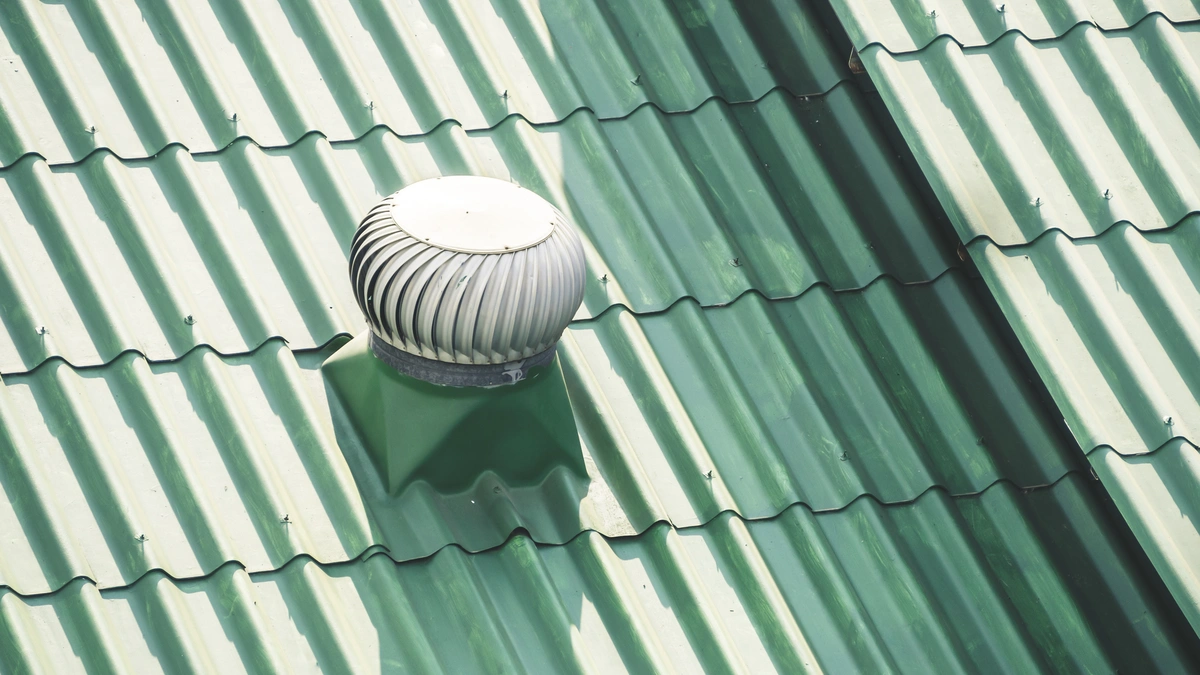
- Wind-powered turbine vents are passive “whirlybird” vents that spin in the breeze. No moving parts to break, no power required. Low cost ($150 to $300 installed) but only work when there is wind.
For most Eastern Shore homes we work on, the solar attic fan is the best long-term value. The Maryland and Delaware sun is consistent enough through the summer that solar fans run when you need them most.
How Does an Attic Fan Work?
Here is the basic concept: your attic heats up during the day as the sun bakes your roof. On a 90-degree day, an unventilated attic can hit 150 degrees by mid-afternoon. That heat gets trapped and radiates DOWN into your living space, which makes your A/C work harder and pushes your energy bills up.
An attic fan kicks in (usually triggered by a thermostat set around 100 to 110 degrees) and starts removing that hot air. As the fan blows air OUT, it creates negative pressure inside the attic. That negative pressure pulls cooler outdoor air IN through your intake vents (soffit vents along the eaves of your roof). The result is a continuous airflow loop that regulates attic temperature and humidity.
The math works like this: every 100 square feet of attic floor needs roughly 1 square foot of net free ventilation area. A typical 1,500 square foot ranch home needs about 15 square feet of ventilation, balanced 50-50 between intake (soffit) and exhaust (fan, ridge vent, gable vent).
If your home does not have enough soffit intake, the fan will pull cool air from your conditioned living space instead. That defeats the purpose. We check this on every roof inspection before recommending a fan.
Why Attic Fans Matter for Your Roof
From a roofer’s perspective, attic fans are more than just a cooling tool. They are part of a well-rounded roof system. Here is why we often recommend them to homeowners on the Eastern Shore.
1. They protect your shingles
A super-heated attic cooks your shingles from underneath. That bakes the asphalt out of them, accelerates granule loss, and shortens the lifespan of the roof. GAF, the largest shingle manufacturer in North America, requires proper attic ventilation to honor their warranty. Skip the ventilation and you skip the warranty protection. Proper ventilation can extend a 30-year shingle roof to its full 30 years instead of failing at 18 to 22.
2. They help prevent ice dams
During cold months, warm air trapped in the attic melts the snow sitting on your roof. The water runs down to the eaves, then refreezes when it hits the cold edge of the roof and forms an ice dam. Ice dams pry shingles up, force water behind the flashing, and can rot decking. Attic fans keep the attic cool and dry, which lowers the ice dam risk by 60 to 80 percent on most Eastern Shore homes.
3. They reduce moisture and mold
Without airflow, your attic becomes a breeding ground for mold and mildew, especially in our coastal climate. Salisbury, Ocean Pines, Bethany Beach, and the entire Lower Eastern Shore see humidity above 70 percent for most of the summer. That moisture buildup rots wood decking and can lead to expensive structural repairs. We have seen 5-year-old decking turn into spongy plywood from poor ventilation alone.
4. They ease the load on your HVAC
By dropping attic temps by 30 to 50 degrees, your A/C does not have to fight against radiant heat coming through the ceiling. That can mean 10 to 20 percent lower summer cooling bills AND a longer lifespan for the HVAC system itself. The Department of Energy estimates proper attic ventilation can save $200 to $500 per year in cooling costs on a typical Mid-Atlantic home.
Are There Downsides?
Attic fans are a great tool, but like any upgrade, they need to be installed and used correctly. Here are a few things to keep in mind.
- Energy use: Electric fans consume power, which can cancel out some of the cooling savings if not paired with adequate intake ventilation. Solar fans skip this trade-off entirely.
- Negative pressure problems: If your attic does not have enough intake (soffit) ventilation, the fan can pull cool conditioned air OUT of your living space, which raises your A/C bill instead of lowering it. We measure the intake on every job before recommending a fan.
- Carbon monoxide risks: If you have a gas water heater or furnace in the attic or near it, an improperly installed fan can pull combustion fumes (carbon monoxide) into your home. Always work with a professional installer who knows local code.
- Roof leaks: DIY installs or poor flashing work can lead to leaks at the fan housing. This is where hiring a roofing contractor who knows shingle integration pays off. We use GAF Cobra ridge vent compatible flashing on every install.
Is an Attic Fan Right for Your Home?
You might benefit from an attic fan if any of the following are true:
- Your attic gets extremely hot in the summer (over 130 degrees)
- You have noticed signs of mold or mildew on your attic rafters or decking
- You have had issues with ice dams in past winters
- Your summer cooling bills are noticeably higher than your neighbors with similar-size homes
- You are planning a new roof replacement and want to maximize its lifespan and warranty coverage
- Your roof is south or west-facing with little tree cover
If your home already has continuous ridge and soffit vents and the attic stays under 110 degrees in mid-summer, you probably do not need a powered fan. But for many homes on the Eastern Shore, especially ranch-style and single-story homes built before 1995, attic fans are a smart upgrade.
What We Recommend at G and Bros
When we do roof replacements in Ocean Pines, Salisbury, Berlin, or anywhere across the Eastern Shore, we always inspect the attic space to check for signs of poor ventilation: discolored insulation, rusty nail tips, mold, sponginess in the decking, or excessive heat at noon.
If an attic fan makes sense, we walk you through your options and recommend a fan that fits your home’s needs and your budget. Most of the time we suggest a solar attic fan like the GAF Master Flow ERV6 or the QuietCool QC-CL2250 for their efficiency and quiet operation. Both can be installed alongside your new roofing system for clean shingle integration with no leaks.
For homes that already have a working electric attic fan but want to upgrade to solar, we can retrofit during a normal roof replacement so the cost gets bundled in.
Attic Fan FAQs
How much does an attic fan cost to install?
Cost ranges by type. Electric attic fans: $400 to $800 installed. Solar attic fans: $600 to $1,200 installed. Wind-powered turbine vents: $150 to $300 installed. We provide free written estimates with no pressure.
How long does an attic fan last?
Electric attic fans typically last 10 to 15 years before the motor fails. Solar attic fans last 20 to 25 years with no motor maintenance. Turbine vents can last 25 to 35 years with occasional bearing replacement.
Will an attic fan lower my electric bill?
Yes, usually 10 to 20 percent on the summer cooling portion. Solar attic fans save more because they do not draw any household electricity to run.
Can I install an attic fan during a roof replacement?
Yes, and that is when we recommend doing it. Adding the fan during the roof tear-off saves on labor and gives us clean access to flash it into the new shingle system properly. We can include it as a line item on your roof estimate.
Do attic fans work in winter?
Yes. In winter, attic fans help by removing humid air that would otherwise condense on cold attic surfaces and cause moisture damage. They run less often in winter (the thermostat trigger is heat-based) but the humidity benefit is year-round.
Final Thoughts
Attic fans are not magic, but they can make a real difference when paired with proper roof ventilation design. If you are looking for ways to extend the life of your shingles, prevent mold and moisture buildup, improve your home’s comfort, and lower your cooling bills, an attic fan might be exactly what your roof needs.
The key is having someone with experience evaluate whether your home actually needs one, and if so, install it correctly. Guillermo Molina-Reyes, founder of G and Bros, personally walks every job before estimate to assess attic ventilation along with the roof itself. After 25+ years working on Maryland roofs, he can usually tell within 5 minutes whether a fan will help or whether your existing ventilation is already adequate.
Thinking About a Roof Upgrade?
Let us talk about attic ventilation while we are at it. Whether you need a full roof replacement or just want to improve your home’s efficiency, G and Bros is here to help. We have been a family-owned Eastern Shore roofing company since 2012, serving Ocean Pines, Salisbury, Berlin, Bethany Beach, Lewes, Cambridge, Princess Anne, Selbyville, Millsboro, and surrounding communities with honest recommendations and quality work.
📲 Call us today at (410) 677-4975 or request a free roof inspection.
Related reading:

Recent Blog Posts