How to Prep Your Roof for Winter on Delmarva: A Homeowner’s Checklist
Wondering how to prep roof for winter before the first nor’easter? Good news: winter roof prep is the cheapest roofing work you’ll do all year. Delmarva winters bring nor’easters, the occasional heavy snow, ice dams, and wind that finds every weak spot on a roof. A few hours of checking in October or November beats an emergency call in January.
Here’s the same pre-winter roof checklist our crews walk through on homes from Salisbury to Ocean City.
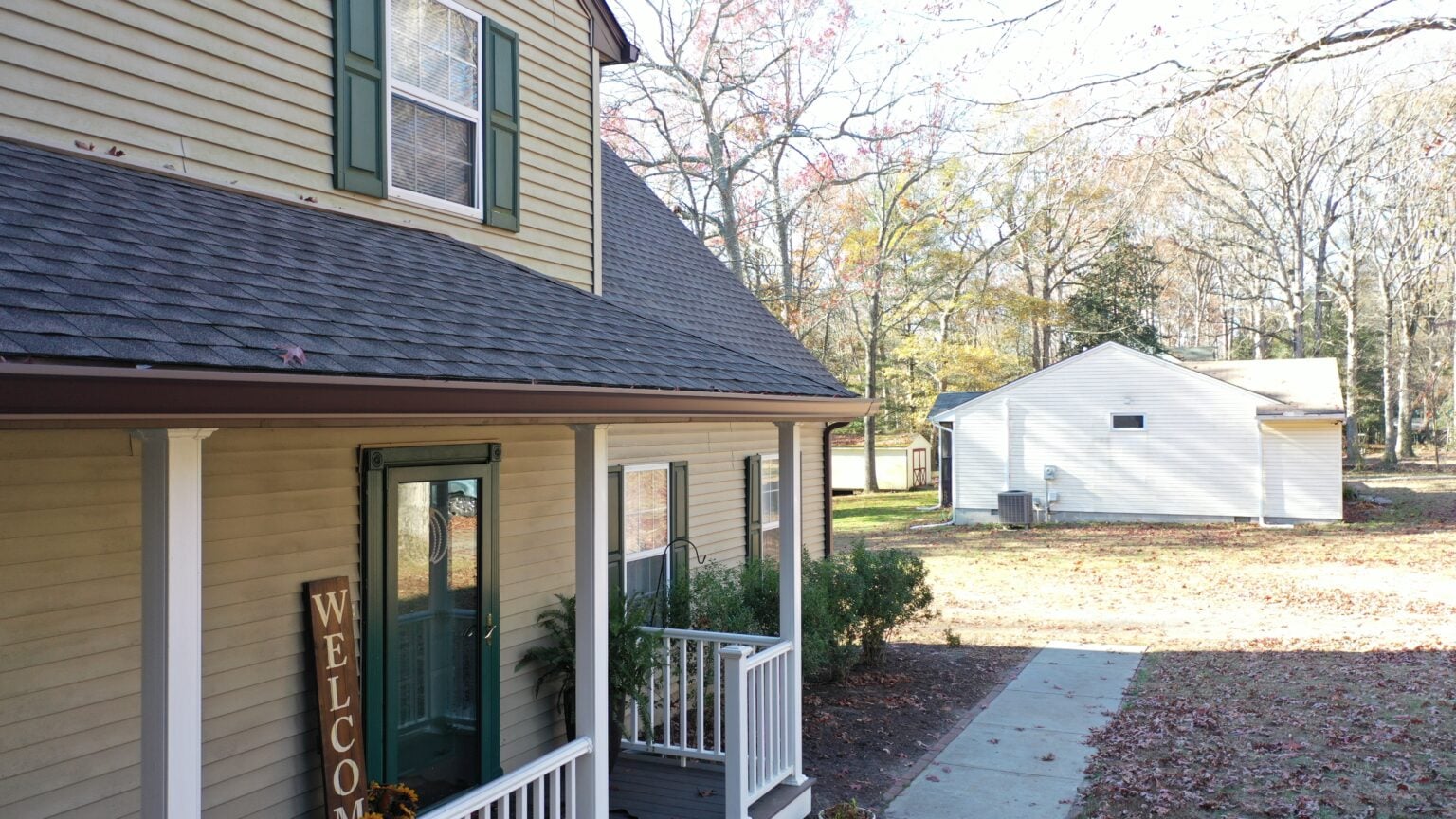
The 8-Point Pre-Winter Roof Checklist
1. Clear All Gutters and Downspouts
Clogged gutters cause ice dams, fascia rot and overflow all winter long. Clean them after the leaves drop, which is usually mid-November here. Then run a hose through each downspout to make sure water actually comes out the bottom. If your gutters are sagging or pulling away, our gutter team can take a look.
2. Inspect Shingles for Wind Damage
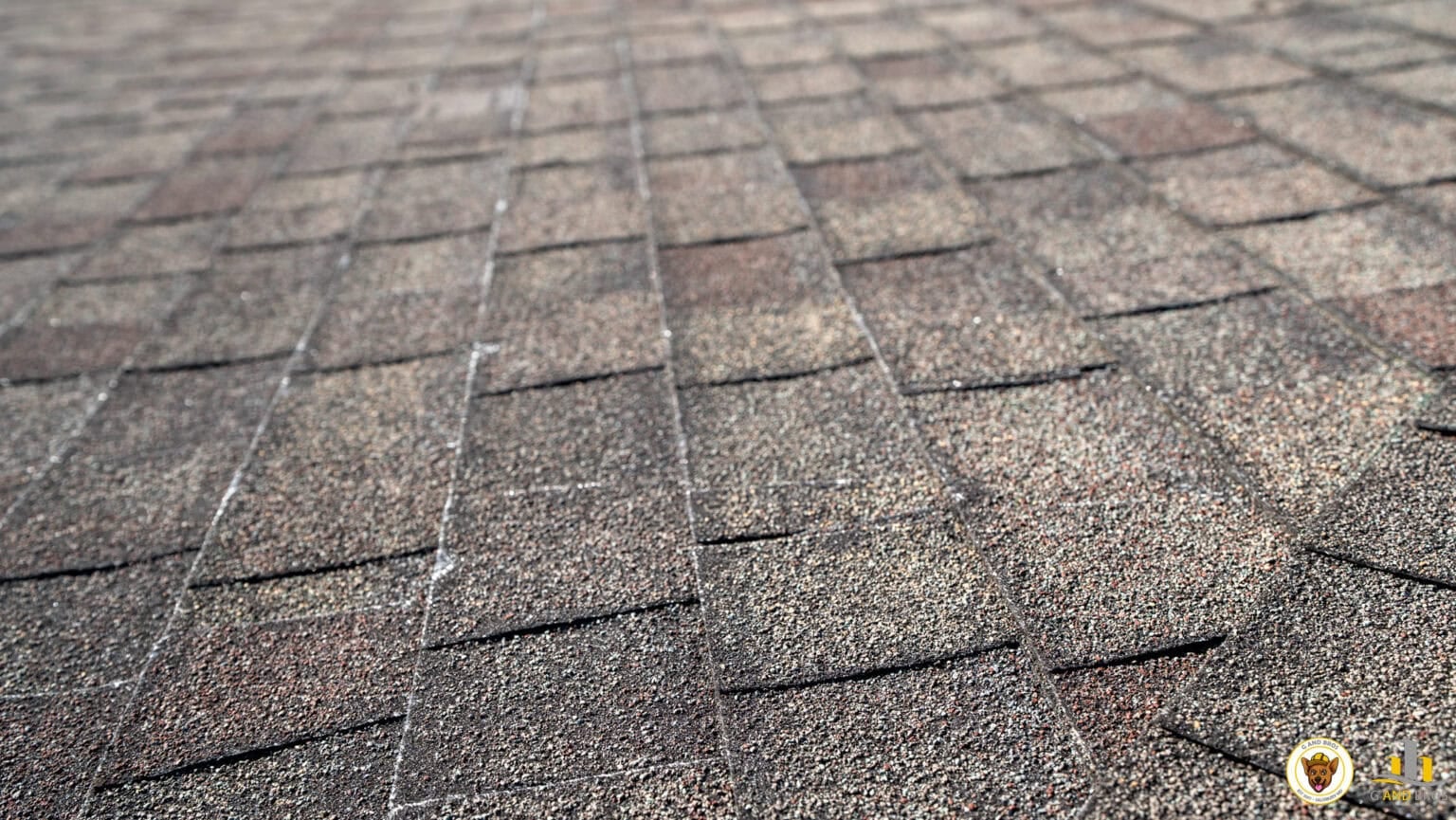
Walk the house from the ground, binoculars help, and look for lifted shingles, missing tabs, exposed nail heads, or a pile of granules in the gutters. Anything questionable should get fixed before winter, not after.
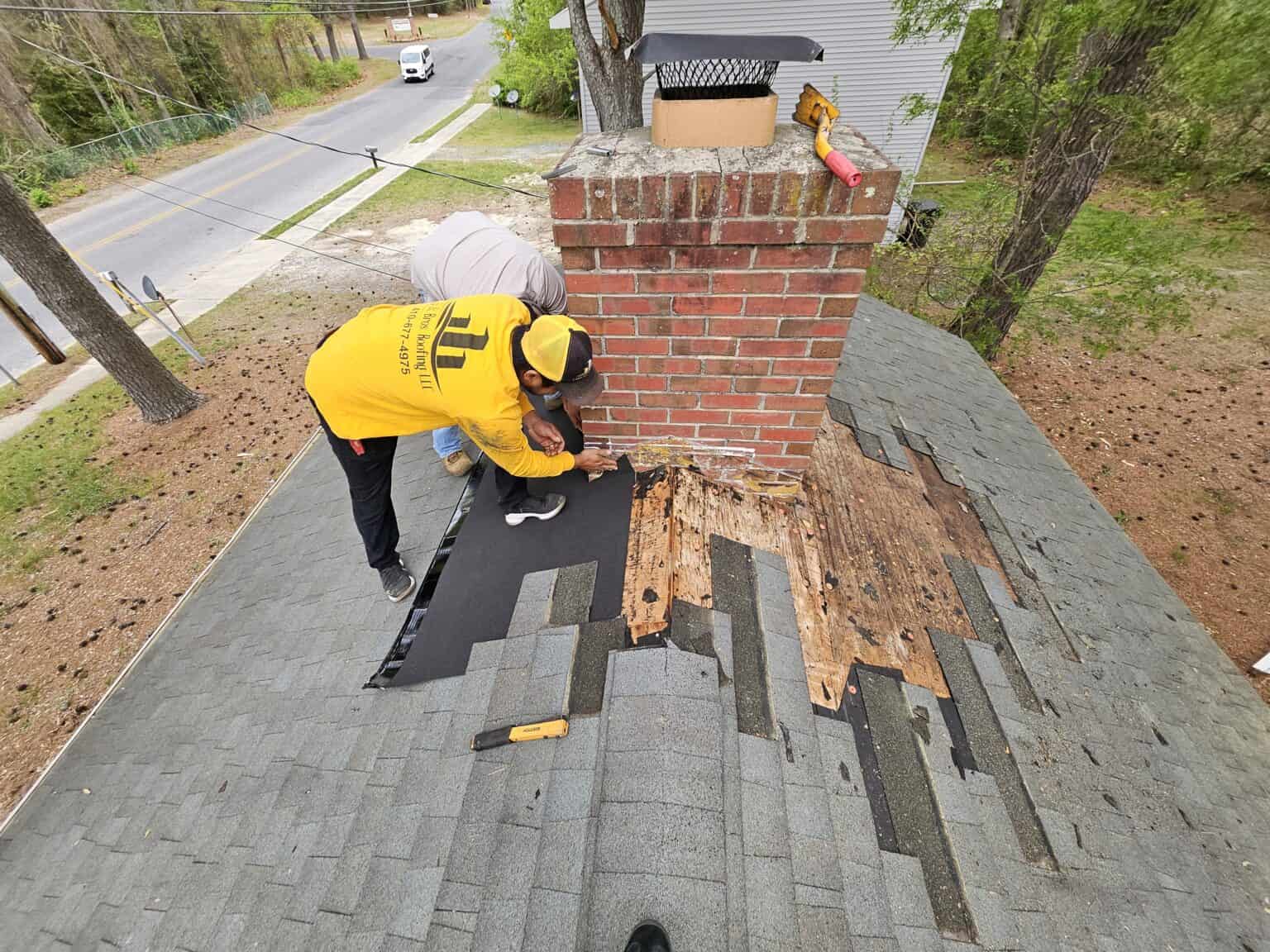
3. Check Flashing Around Chimneys, Skylights and Vents
Wind-driven winter rain gets into every loose flashing detail. Have a roofer inspect and reseal anything that looks worn. Pipe boots crack with age, and they’re one of the most common winter leak sources we see. A small roof repair now is a lot cheaper than a ceiling repair later.
4. Trim Branches Hanging Over the Roof
Branches loaded with snow or ice snap during winter storms. Cut back anything within about 8 feet of the roof.
5. Make Sure Attic Ventilation Is Clear
Ridge vents and soffit vents need to stay open all winter. When they’re blocked, warm attic air melts the snow up top, the water refreezes at the cold eaves, and ice backs up under the shingles. That’s an ice dam. A quick trip into the attic on a cold day will tell you a lot.
6. Check Your Attic Insulation
Heat escaping through the attic is the main driver of ice dams, so ice dam prevention starts with insulation. Look at what’s up there. If it’s flattened or stained from an old leak, replace it before winter. The National Weather Service recommends at least R-30 in the attic, along with good ventilation.
7. Schedule a Professional Inspection
A roofer on the roof catches things you can’t see from the yard, and it’s the easiest way to prepare your roof for winter without climbing a ladder yourself. Book it in October or November, before contractor schedules fill up and the good weather windows disappear.
8. Photograph Your Roof Before Winter
Take photos of every roof slope, gutter run and flashing detail. If a storm does damage this winter, before-and-after photos make the conversation with your insurance company much simpler.

What Not to Do When You Winterize Your Roof
- Don’t walk on your roof in cold weather. Shingles get brittle below about 40°F and can crack underfoot.
- Don’t ignore small problems. A minor leak in October turns into a big one after the first nor’easter.
- Don’t wait for snow to find out. A damaged roof under snow is much harder to inspect or fix.
Winter Roof Prep FAQs
What is the most common winter roof problem on the Eastern Shore?
Ice dams. Warm attic air melts snow on the upper roof, the water runs down to the cold eaves and refreezes, and the ice pushes water back under the shingles. The usual cause is poor attic insulation or ventilation, which makes prevention a fall project.
How late in the fall can I do this?
Most of this work can happen through late November here. After mid-December, roofer schedules tighten up and dry, mild days get harder to find.
Does homeowner’s insurance cover ice dam damage?
Sometimes. It depends on your policy. Many policies treat sudden damage differently from slow moisture problems, so read yours and document everything if something happens.
Schedule Your Pre-Winter Roof Inspection
G and Bros has been family-owned since 2012, with 25+ years of Maryland roofing experience from our founder. We inspect roofs across Wicomico, Worcester, Dorchester and Somerset counties in Maryland and Sussex County, Delaware. Call 410-677-4975 or contact us online to get on the schedule. A little winter roof prep now goes a long way toward a quiet, leak-free winter.

Recent Blog Posts