Hurricane Season and Your Roof: What Salisbury, MD Homeowners Need to Know Before a Storm Hits
Late September is the heart of the Atlantic hurricane season, which runs from June 1 through November 30. Direct hurricane hits are rare in Salisbury, but tropical storms, their leftover rain bands and strong fronts roll through Wicomico County most years, and your roof takes the first hit. Knowing how to prepare, what to check afterward and when to call a roofer can save you money and a lot of stress.
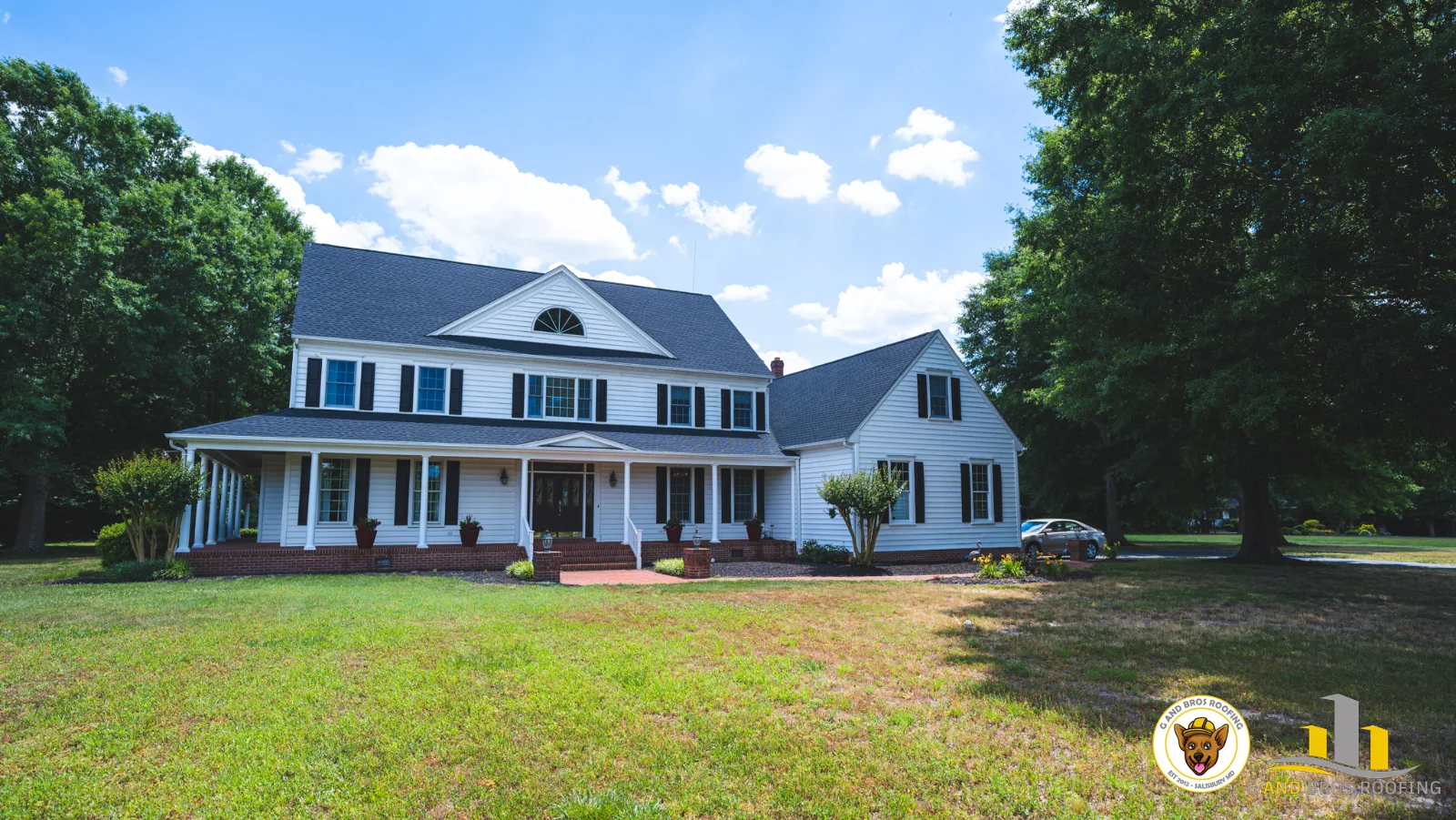
Why Eastern Shore Roofs Face Unique Storm Risks
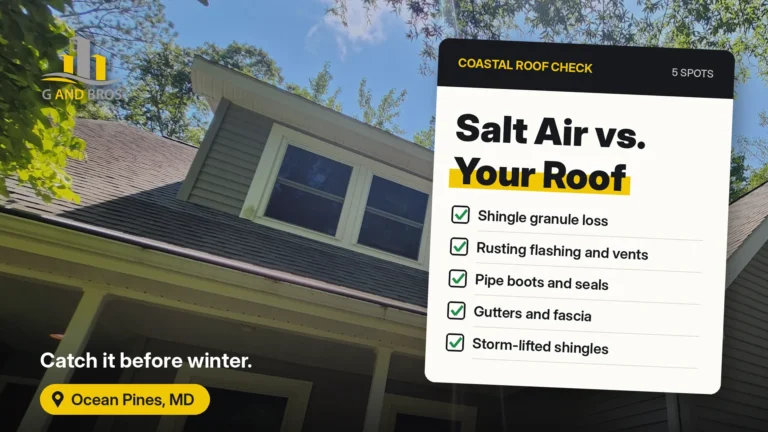
Salisbury sits in a tricky spot. We are inland from the worst coastal surge, but close enough to the Atlantic and the Chesapeake Bay that tropical systems can bring strong wind and heavy rain. Add steady humidity, salt in the air closer to the coast and summer heat that bakes asphalt shingles, and roofs here take more wear than many homeowners expect.
In practical terms, a roof that is already worn by heat and humidity has less margin when a storm comes through. Lifted shingles, tired sealant and aging flashing are where storm damage tends to start, and a small problem can grow quickly once water gets in.
What a Storm Actually Does to Your Roof
Storm damage is not always dramatic. You do not need to see shingles flying off to have a problem. After any significant storm, look for:
- Missing or lifted shingles: High winds get under shingle edges, especially on older roofs where the sealant strip has dried out.
- Granule loss: Wind-driven rain and debris can knock granules off shingles. Check your gutters and downspout outlets for grit after a storm.
- Damaged flashing: Metal flashing around chimneys, vents and skylights can bend or pull away and let water in at the seams.
- Soffit and fascia damage: Flying debris can dent or loosen trim boards and open a path for moisture into the attic.
- Clogged or bent gutters: Storm debris packs gutters tight, and backed-up water can work its way under the roof edge.
- Interior water stains: Dark spots on ceilings or near light fixtures mean water has already gotten inside.
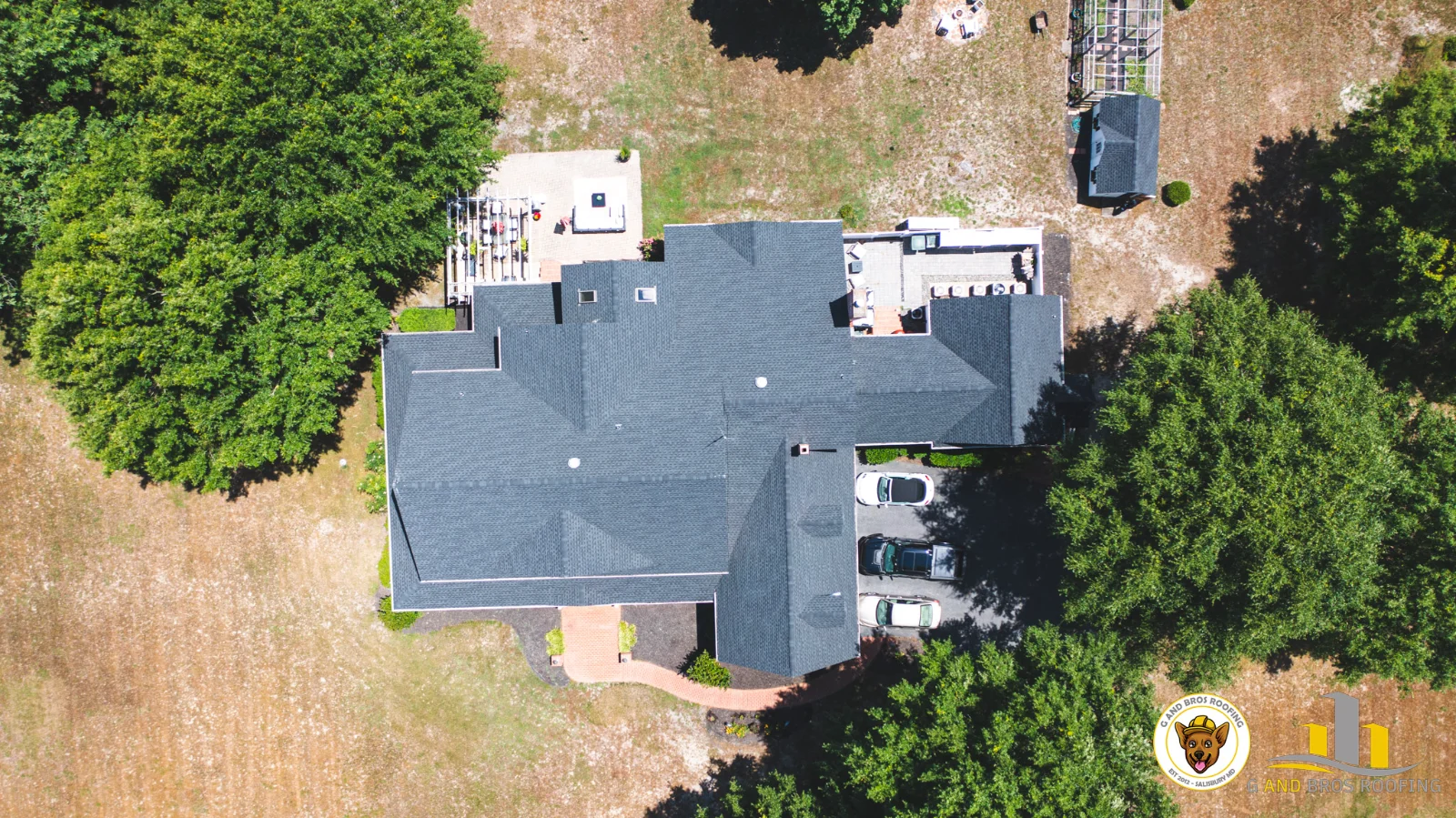
Before the Storm: A Simple Prep Checklist
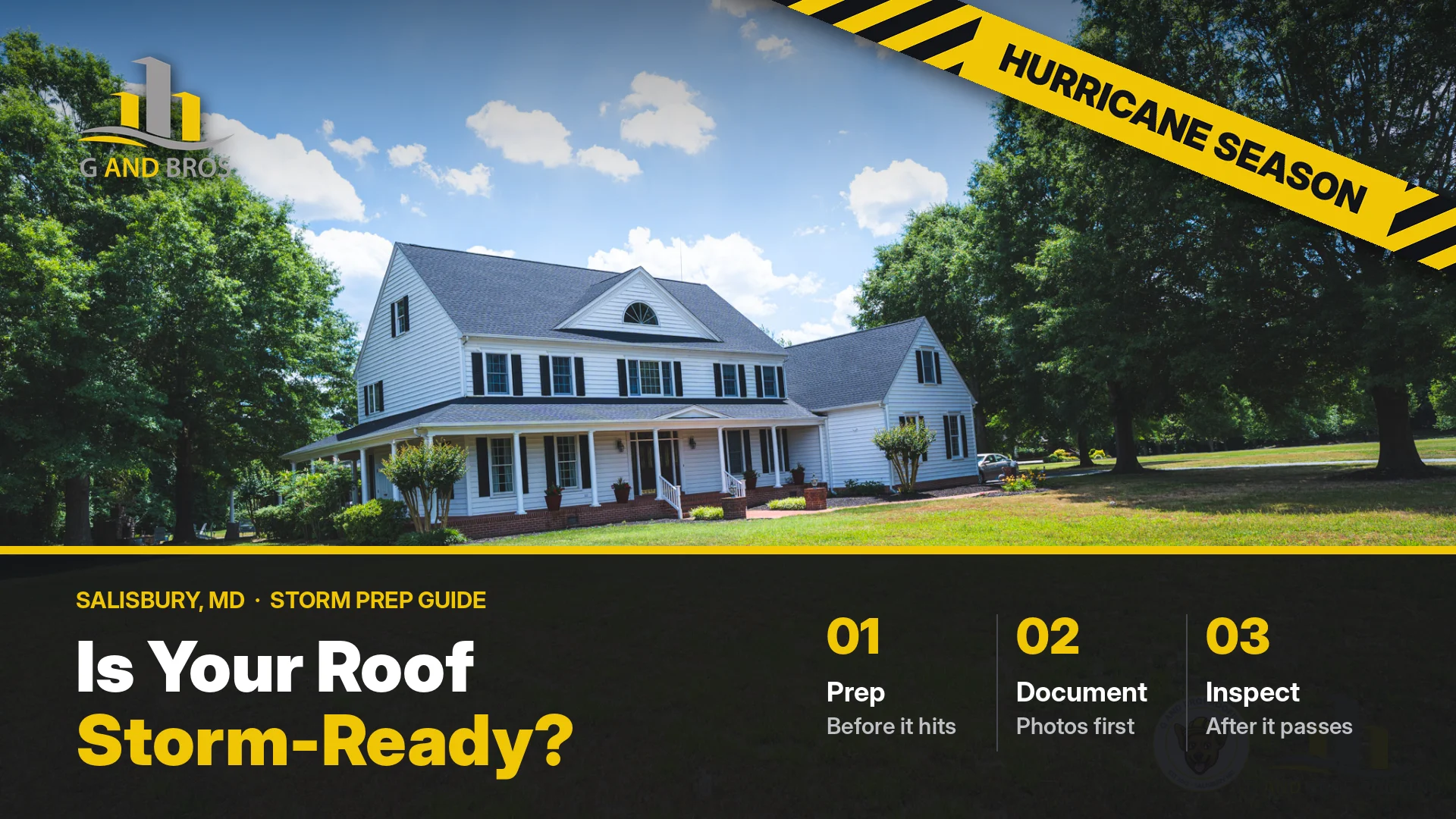
The best time to deal with storm damage is before it happens. A professional roof inspection during storm season gives you a clear picture of weak spots while the weather is calm. Beyond that, here are steps you can take yourself:
- Walk your yard and look for large limbs hanging over the roof that could come down in high wind.
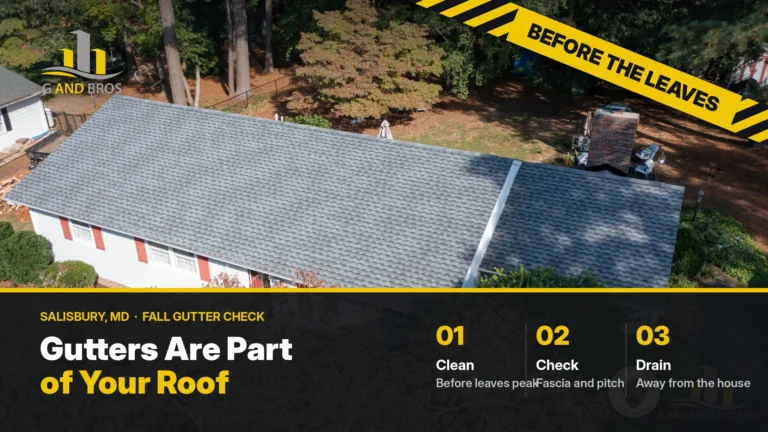
- Clear your gutters and downspouts so heavy rain can drain quickly.
- Check your attic after a heavy rain. New stains or drips are worth fixing before a bigger storm arrives.
- Take dated photos of your roof as it is today. They can help show what changed if you need to file an insurance claim later.
- Review your homeowners policy. Know whether your roof is covered at actual cash value (ACV) or replacement cost value (RCV), and what your wind or hurricane deductible is.
After the Storm: Your Step-by-Step Action Plan
Once the storm passes, do not wait and see. Here is what to do:
- Check for safety hazards first. Look for downed power lines near the house and any part of the structure that looks shifted. Stay out of the attic if water is actively coming in.
- Do a ground-level scan. Walk around the house and look for missing shingles, damaged trim or debris on the roof. Do not climb onto the roof yourself. Wet roofs are slippery, and walking on damaged areas can make things worse.
- Document everything before cleanup. Take photos and video of the roof, the yard and any interior damage.
- Contact your insurance company promptly. Policies require timely notice, so report storm damage as soon as you reasonably can.
- Call a local roofer for an inspection. Get a written assessment before repairs begin. It protects you and supports your claim.
A Word About Storm Chasers
After a major storm, out-of-town contractors often show up in places like Salisbury, Fruitland and Cambridge looking for quick insurance jobs. Watch for high-pressure tactics, requests to sign paperwork on the spot and contractors who cannot show a local address or a Maryland Home Improvement Commission (MHIC) license. In Maryland, you can look up a contractor’s MHIC license on the state’s website before you sign anything.
G and Bros is based right here at 109 Clark Street in Salisbury. We hold an MHIC license, we are GAF Certified Plus, and we have been family-owned and working on the Shore since 2012. We are not going anywhere after the storm clears.
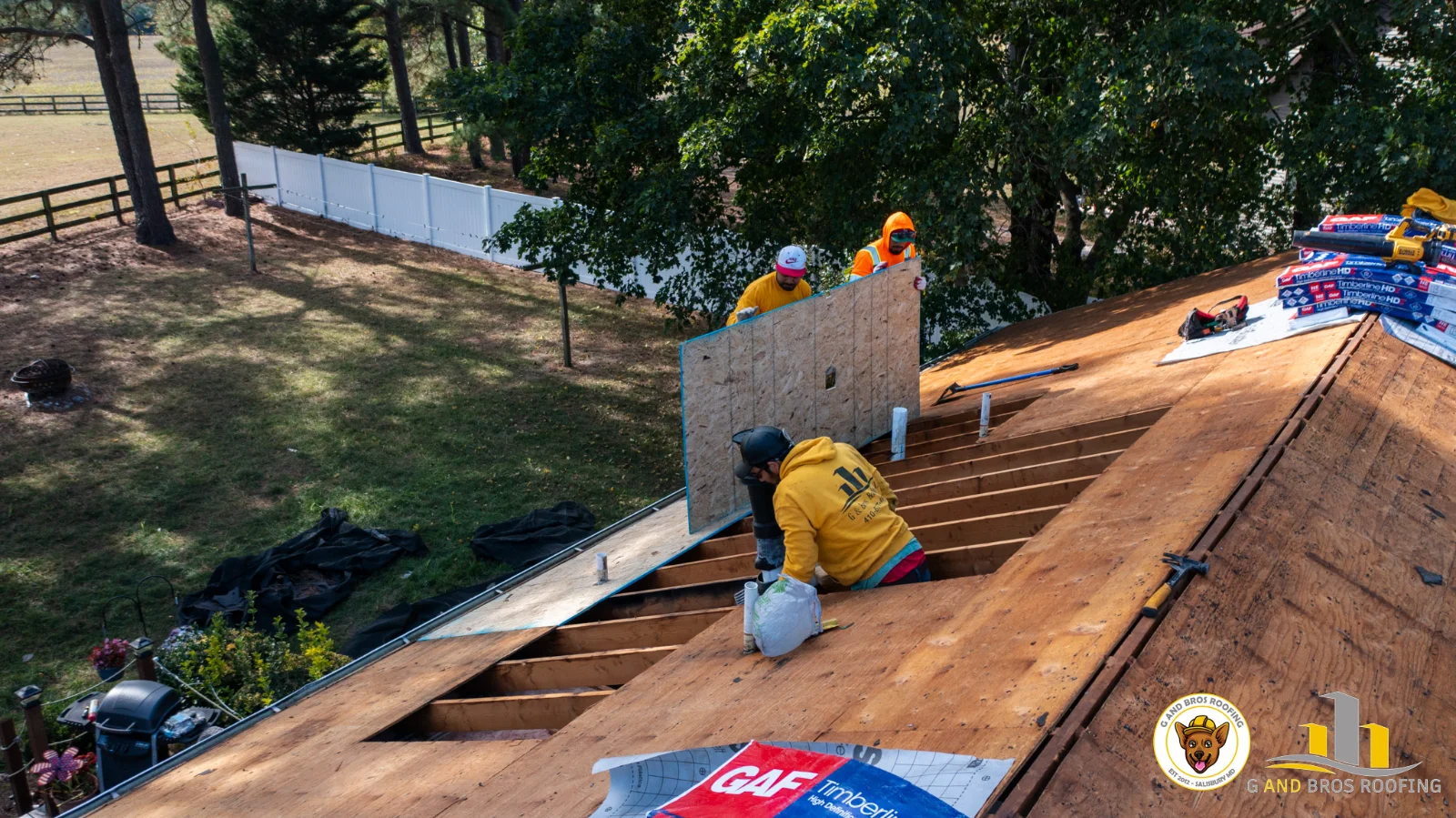
Navigating Insurance After Storm Damage
Storm-related roof repair and roof replacement are often covered by homeowners insurance, but the process has a few moving parts:
- Have your roofer there for the adjuster. A roofer on site can point out damage so it gets documented properly.
- Your deductible applies. Some policies have a separate wind or hurricane deductible. Make sure the damage is worth a claim before filing for a small repair.
- Supplements are common. If the first insurance estimate misses items, the contractor can submit a supplement with supporting photos and measurements.
- Read everything before you sign. Some contractors ask you to sign an assignment of benefits, which hands your claim rights to them. Understand exactly what you are agreeing to.
Frequently Asked Questions
How soon after a storm should I get my roof inspected?
As soon as it is safe, ideally within a few days. Insurance policies require prompt notice of damage, and problems that go unaddressed can get worse with every rain that follows.
Will my homeowners insurance cover wind damage in Salisbury, MD?
Many standard homeowners policies cover sudden wind and hail damage, but the details vary. Your roof’s age and condition, whether it is covered at ACV or RCV, and your deductible all matter. Review your policy or call your agent before storm season so you know what you have.
Can I stay in my home if my roof is damaged after a storm?
It depends on the damage. If a few shingles are missing and no water is coming in, most homes stay livable while repairs are scheduled. Structural damage or active leaks call for a professional assessment before you keep using the affected rooms.
What is the difference between a repair and a full replacement after storm damage?
If the damage is limited to one area and the rest of the roof is in good shape, a targeted roof repair may be all you need. If the storm exposed widespread wear, or the roof is near the end of its life, a full replacement is often the better long-term choice.
Does G and Bros serve Ocean City and coastal communities after storms?
Yes. G and Bros serves Ocean City and coastal Delaware, as well as towns throughout Wicomico, Worcester, Dorchester and Somerset counties in Maryland and Sussex County in Delaware. Call 410-677-4975 to schedule a storm inspection.
Get Your Roof Storm-Ready with G and Bros
Do not wait until a tropical system is on the radar to find out what shape your roof is in. G and Bros does honest, thorough roof inspections for homeowners throughout Salisbury and the Eastern Shore. We document what we find, explain it in plain terms and stand behind our work.
G and Bros is GAF Certified Plus, family-owned since 2012, with 25+ years of Maryland roofing experience from our founder. Call 410-677-4975 or contact us online to get on the schedule before the next storm rolls through.

Recent Blog Posts