Why Are Shingle Prices Going Up? The Real Reasons Behind Roofing Cost Increases
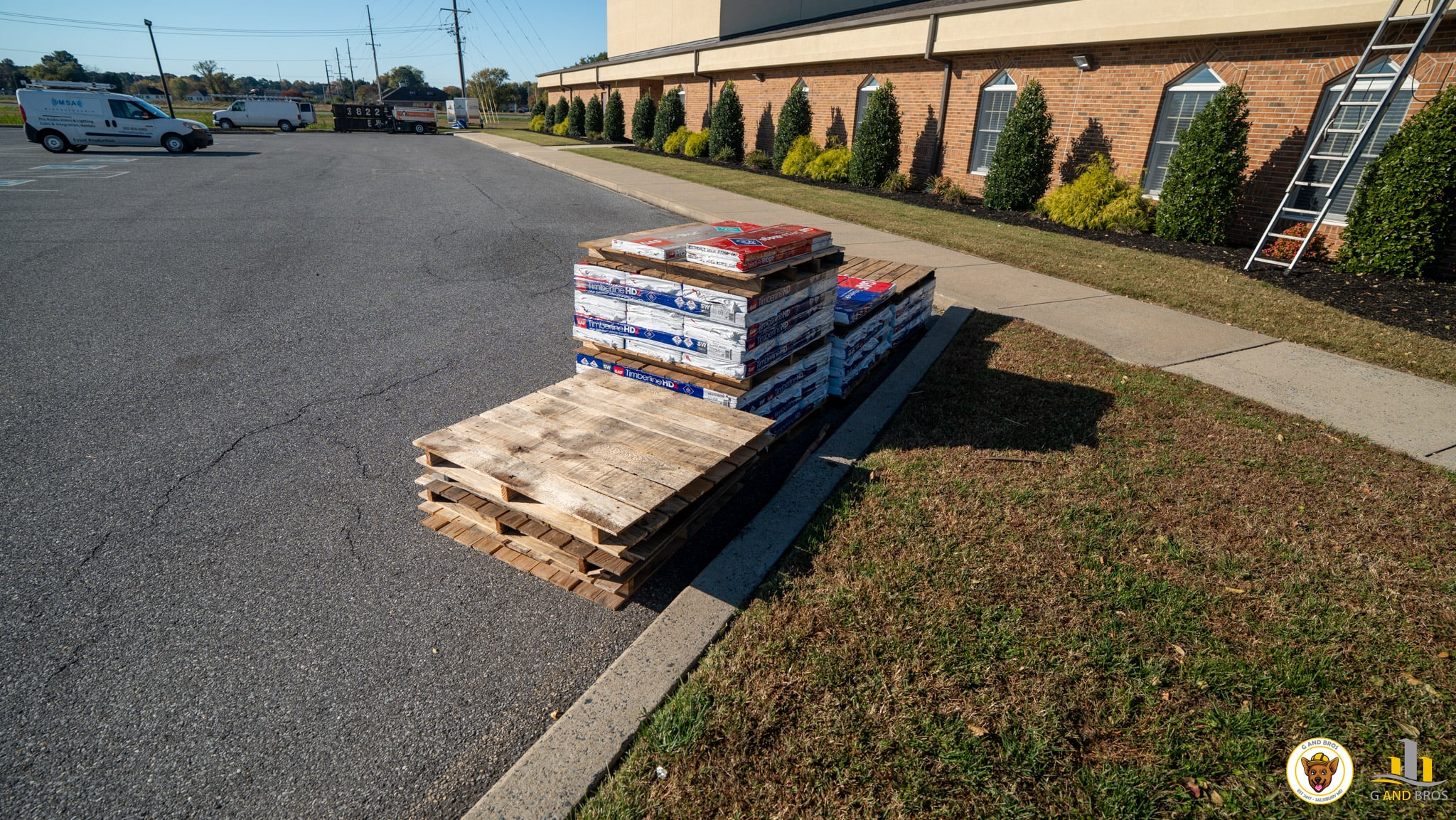
If you got a roof quote back in 2022 and you are getting one now, you have probably noticed: the new number is significantly higher. You are not imagining it. Asphalt shingle prices have risen substantially across the industry, and most quotes today land 25 to 40 percent above where they were in 2022. Prices moved again in 2026, when every major shingle manufacturer announced a fresh round of increases. Here is what is actually driving it and what Delmarva homeowners can expect going forward.
The 5 Real Drivers Behind Shingle Price Increases
1. Asphalt Cost Volatility
Asphalt is a byproduct of crude oil refining. When oil prices swing, asphalt swings with them. The last few years of energy market volatility translated directly into shingle base-material costs. When oil hit $120 per barrel in 2022, shingle production costs jumped, and prices passed through to consumers within months.
2. Fiberglass and Granule Supply Pressures
Modern asphalt shingles use a fiberglass mat coated with asphalt and ceramic-coated granules. Both fiberglass and the colored granules face their own supply chains: fiberglass tied to chemical-industry capacity, granules tied to mining operations. Disruptions to either compound the asphalt cost pressure.
3. Manufacturing and Energy Costs
Shingle production is energy-intensive. Heating asphalt to coating temperature, drying granule applications, and curing finished shingles all consume natural gas and electricity. The same energy-cost surge that drove asphalt prices also drove manufacturing costs.
4. Transportation and Distribution
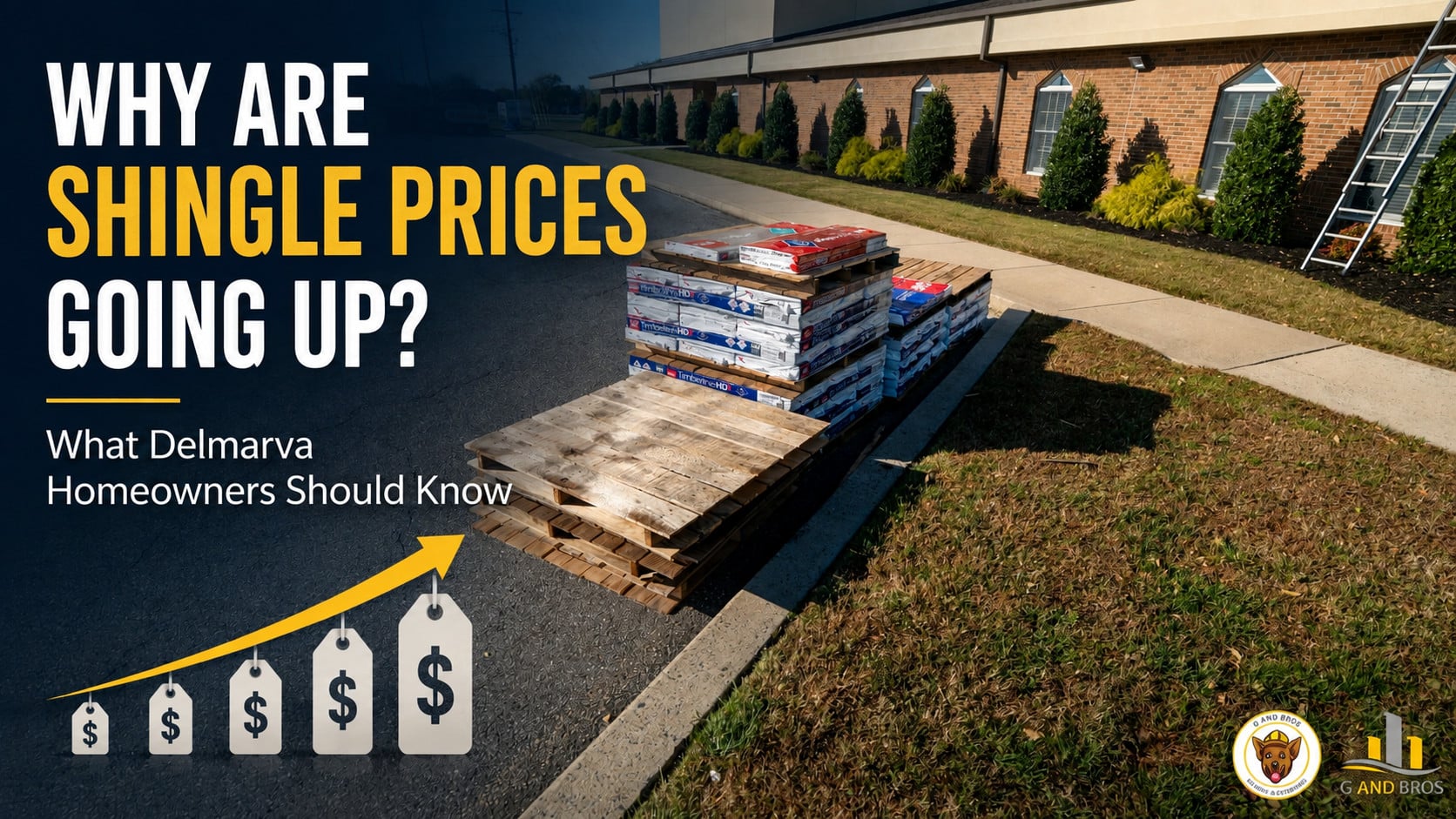
Shingles are heavy. A pallet of 30-square shingles weighs over a ton. Shipping costs (diesel, driver shortages, trucking-capacity tightness) drove distribution costs up significantly from 2021 onward. Most of that flowed through to retail prices.
5. Tariffs and Material Sourcing
This is the driver that moved most in 2026. Section 232 tariffs on imported steel and aluminum have pushed up the cost of flashing, drip edge, and fasteners, and those go on every roof regardless of which shingle you pick. On top of that, every major shingle manufacturer (GAF, CertainTeed, Owens Corning, Atlas, and TAMKO) announced price increases in spring 2026.
One piece of history worth knowing: after the 2018 round of steel and aluminum tariffs, roofing material prices never returned to their pre-tariff levels, even after exemptions were granted. Tariff-driven increases have tended to stick.
The Five Drivers at a Glance
| Cost driver | What it hits | Why it moved |
|---|---|---|
| Asphalt cost volatility | The base material in every shingle | Asphalt is a crude oil byproduct. Oil reached $120 per barrel in 2022 and production costs passed through within months. |
| Fiberglass and granule supply | The mat and the ceramic-coated surface | Fiberglass is tied to chemical-industry capacity and granules to mining. Disruption to either compounds the asphalt pressure. |
| Manufacturing energy | Heating, drying, and curing during production | Shingle production is energy-intensive, so the same energy surge that lifted asphalt also lifted factory costs. |
| Transportation and distribution | Getting product from plant to job site | A pallet of 30-square shingles weighs over a ton. Diesel, driver shortages, and trucking capacity all tightened from 2021 onward. |
| Tariffs and sourcing | Raw materials and finished imports | The biggest mover in 2026. Section 232 steel and aluminum tariffs lifted flashing, drip edge, and fastener costs, and all five major shingle makers raised prices in spring 2026. |
No single driver explains the increase. They stacked, which is why the total move was larger than any one line would suggest.
Why Delmarva Specifically Sees Some Extra Cost
Coastal-grade shingles (algae-resistant, high-wind rated) cost more than standard inland shingles. Most Delmarva homeowners now spec these upgrades by default, which adds 10 to 15 percent on top of the base shingle price. Worth it for the longevity in our salt-and-humidity climate, but worth knowing.
What This Means for Your Roof Decision
- Delaying replacement rarely saves money. Prices have trended upward consistently. A roof that needs replacement now will cost more next year than it does today, in most cases.
- Quality matters more, not less. When the base price is high, cutting corners on materials (cheaper underlayment, fewer flashing components, lower-rated shingles) is a false economy.
- GAF Lifetime systems hold their warranty value. A full GAF system today still pays back over 20 to 30 years just like it did in 2020.
Frequently Asked Questions
Are shingle prices expected to drop?
Modest stabilization is possible but significant drops are not expected. Energy, transportation, and labor costs have all reset upward, and 2026 added a fresh round of manufacturer increases plus tariff pressure on the metal components. After the 2018 tariff round, prices did not come back down even once exemptions were granted.
Should I wait to replace if I can?
Only if your roof has 5+ years of remaining life. Otherwise, delaying costs you both in higher future prices and in repair bills during the wait.
What is the best way to manage cost on a new roof?
Get itemized quotes that name brands and specs. Compare apples to apples. Cheaper is not better when corners get cut on flashing, underlayment, or fastener quality.
Get an Honest Quote with G and Bros
G and Bros provides itemized, transparent quotes across Salisbury, Ocean City, and the entire Eastern Shore. We tell you what each line item costs and why. Call 410-677-4975 or visit gandbrosroofing.com/contact.

Recent Blog Posts